Gluten-Free French Toast
This post contains affiliate links. Please read my disclosures.

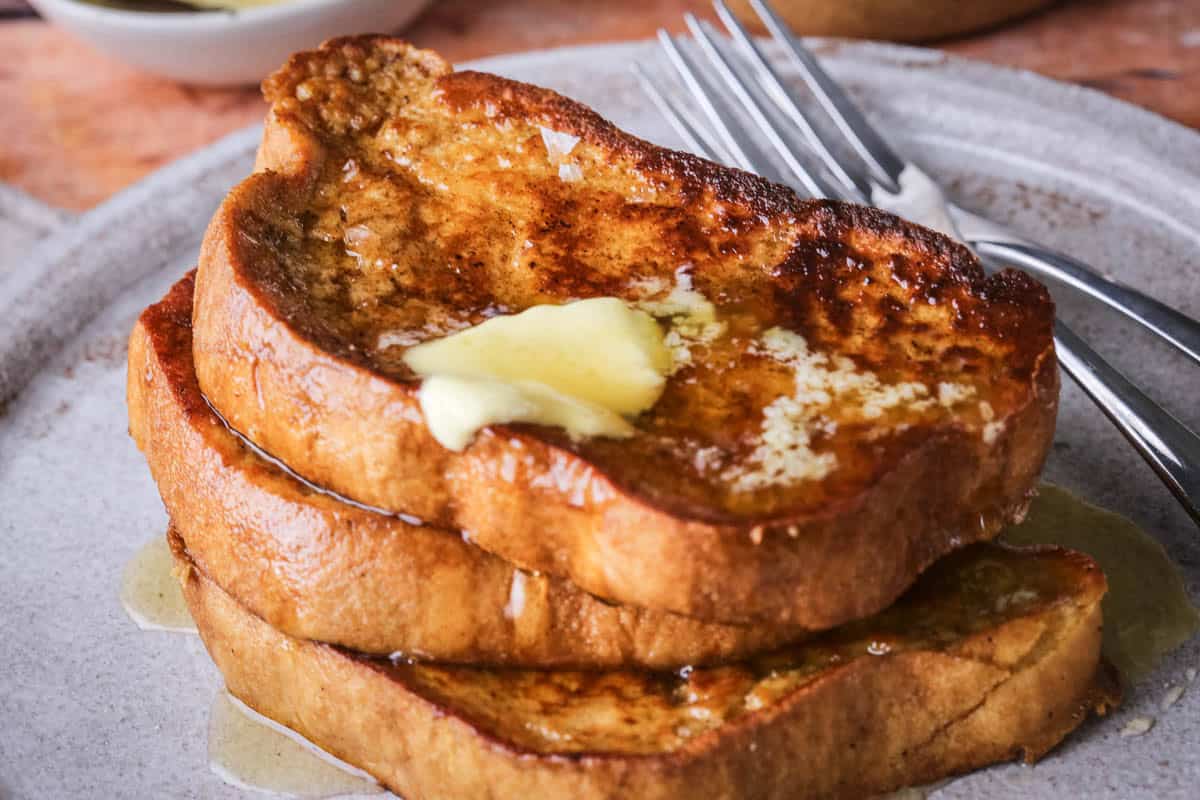
Gluten-Free French Toast isn’t as simple as just switching the kind of bread we use as gluten-free bread is a lot more fragile. Here we’ll make a deliciously spiced custard and go through the best gluten-free bread to use, soaking times and making ahead tips.
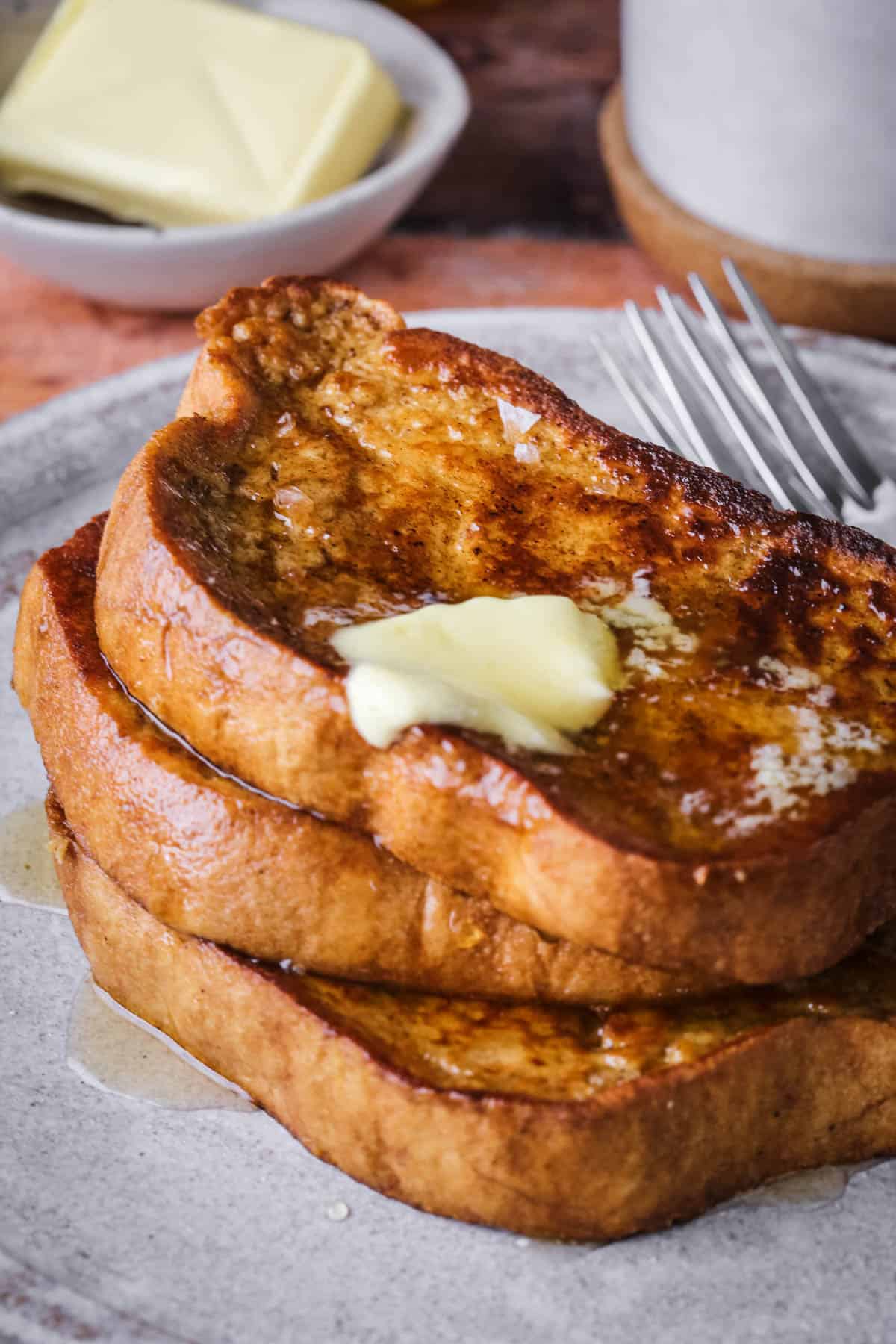
We don’t call it French Toast in our house. I have a household full of children who balk at new food. So when I first introduced this recipe to the children I had no luck getting them to try ‘French Toast.’ But, having been raised on pancakes since they were babies, ‘Pancake Toast’ they were here for. So it will now be Pancake Toast forever and eternity.
The custard we are using for our French Toast is actually very similar to pancake batter and in fact I use gluten-free flour in the batter here to thicken it and create a crisp crust but most importantly to help protect the gluten-free bread.
Gluten-free bread can be flimsy and fragile, especially some supermarket brands, so the flour is a key step but there are further tricks we can employ to make sure our bread will absorb the custard without collapsing at a mere glimpse. This includes choosing very specific loaves, how to prepare the bread and confident soaking times. Plus a particularly helpful make-ahead tip which will help improve the texture of our Gluten-Free French Toast.
So, let’s go – brunch anyone?
Why You’ll Love This Gluten-Free French Toast recipe
- Bread choices. I’ve got the best advice on which gluten-free bread to choose, including loaves with no xanthan gum.
- Custard. We create a thick rich eggy custard with a cinnamon spice and a secret flour trick to help our bread out.
- Low sugar. We’re keeping the sugar level low here so we can fully load on our toppings without sweetness overkill.
- Toppings! There’s lots of advice on how to level up your French Toast with a plethora of delicious toppings.
Watch the Video
Sometimes it helps to see a visual of what I'm talking about. So watch the video to see what it looks like to make your Gluten-Free French Toast.
Gluten-Free Bread Choices
When you’re making French Toast your breakfast will thank you for being selective over the gluten-free bread. It’s much more fragile than your average supermarket loaf and absorbs liquid fast so there’s definitely some better options you should plump for to make sure you don’t have a soggy mess on your hands:
Floppy sliced bread. This should be avoided at all costs. This gluten-free bread simply doesn’t have the stamina to withstand taking on any custard.
Tiger bloomers. This would be my general recommendation for making this French Toast recipe. It’s easy to get hold of these days and has a bit more structure than your floppy white bread. My favourite brand is Warburtons Tiger Artisan Bloomer, it holds up really well in this recipe if you cut it into thick slices and is free from xanthan gum.
Brioche. Sliced gluten-free brioche bread isn’t actually an easy product to get hold of in the UK. They have lots of roll options though which you could slice into 3 across the width of the roll and use for your French toast. They do add a bit more flavour than your average white loaf.
Sourdough. Shop bought sourdough bread is fine to use with results not entirely different from the Tiger Bloomer. I have used supermarket’s own like Waitrose and Sainsburys and they work well. However, homemade gluten-free sourdough is even better, which leads me to..
Homemade bread. If you make your own gluten-free bread then you’ll find your French Toast is vastly superior with a much better flavour. My homemade bread recipes have a more robust structure and will take on the custard very well, you can even stand to soak your slices a bit more. I particularly recommend my Artisan Sourdough recipe or my White Sandwich Loaf and if you’re really looking for something special then my Cinnamon Raisin Loaf is a triumph here (although that recipe is only available in my Simple Gluten-Free Breads ebook). This recipe is also great to use up your stale homemade bread, in fact it works better with stale bread.
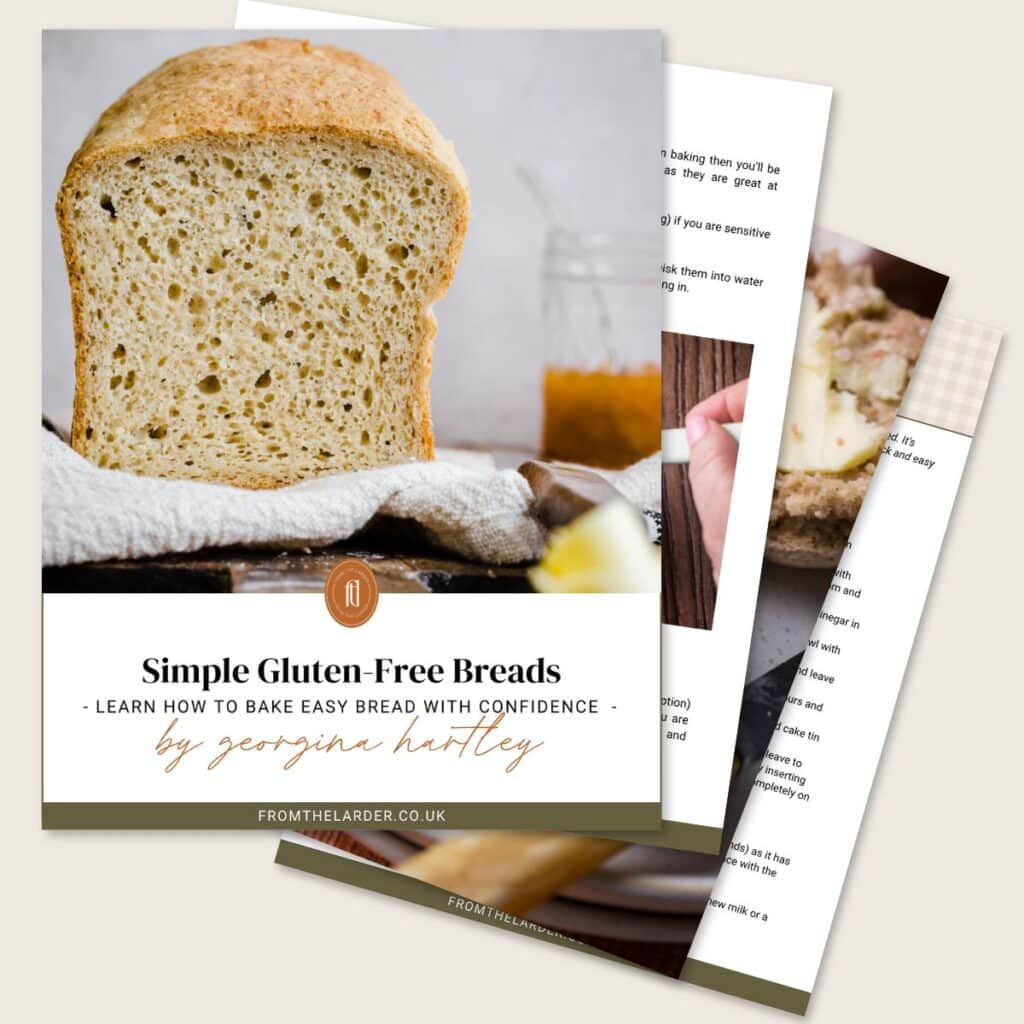
Bake Gluten-Free Bread with Confidence
Discover easy, reliable recipes for soft, wholesome gluten-free breads. No complicated techniques, just great results every time. Tips, techniques, comprehensive ingredients and equipment info.
Ingredients Needed
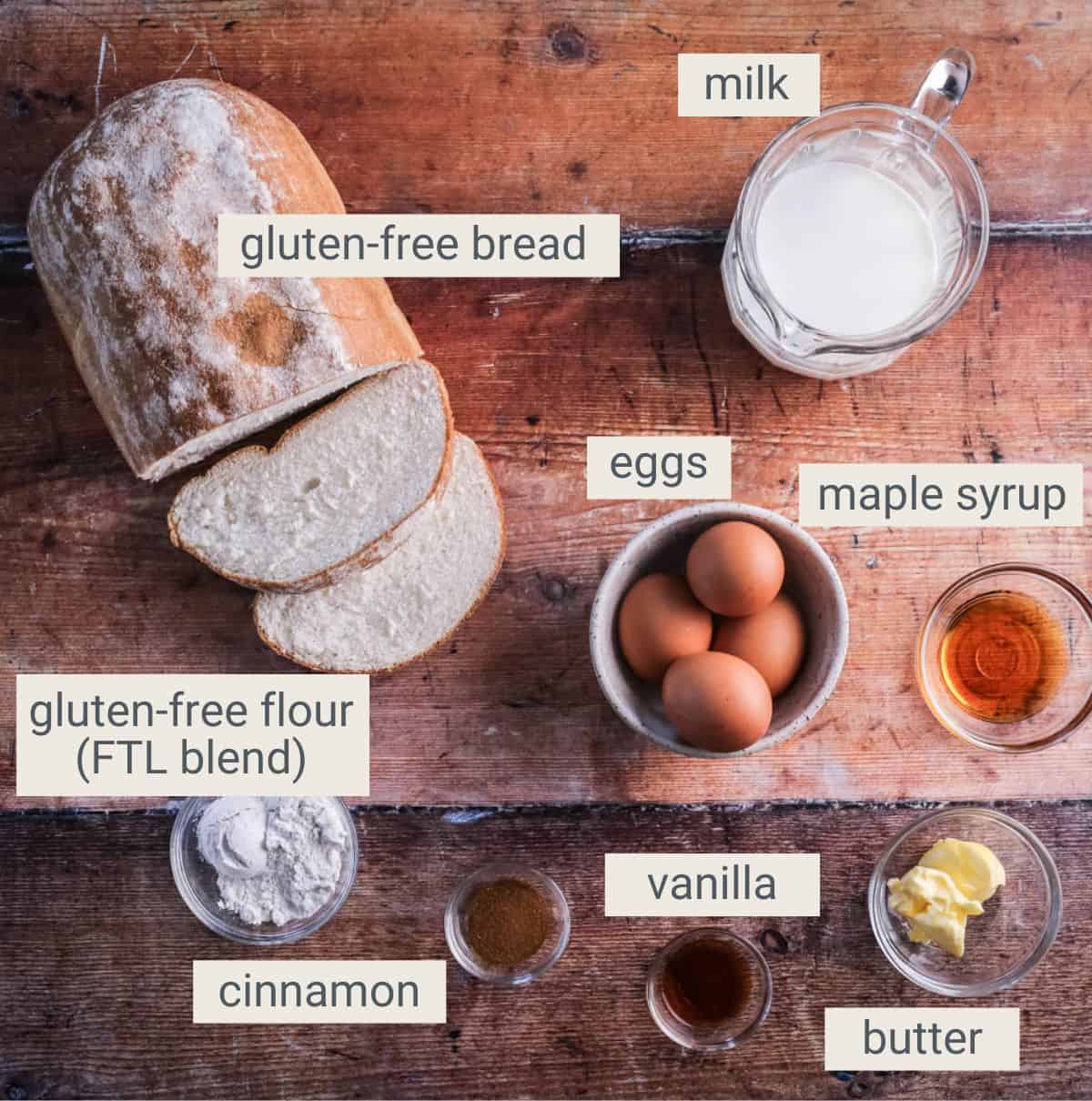
Gluten-free bread. Homemade bread is the preferred choice here but shop bought is absolutely fine to use. Choose unsliced tiger bloomers or sourdough cobs for better structure to withstand the custard soaking.
Whole milk. Choose whole rather than semi-skimmed for a much richer flavour. If you are dairy-free then you can use any plant-based milk. I will often use oat milk but if you’re intolerant then coconut milk (which will also lend a more coconutty flavour) or homemade cashew or almond milk are great choices.
Gluten-free flour. This isn’t necessarily a traditional ingredient in your French Toast but flour is essential here to thicken the batter which then crisps up beautifully in the pan. It's also key in protecting the fragility of the gluten-free bread. I have tried it with so many different gluten-free flours and I recommend using my Homemade Gluten-Free Flour (FTL blend) for the full amount for the easiest option.
Eggs. This recipe uses medium size, about 60g each with shell (50g each without shell). These are often classified as large eggs in the US. I recommend weighing your eggs to ensure the correct amount.
Maple syrup. You can substitute for a tablespoon of brown sugar or honey. I just like the flavour of maple syrup here. We only use a small splash as I prefer to keep sugar content low at breakfast / brunch time but feel free to add more if you prefer. Although I like to serve the French Toast with the bottle of maple syrup and usually my guests (ahem children) like to compensate by drowning their toast in extra.
Vanilla extract. Use a good quality extract here for the flavour to really shine, I like Nielsen Massey.
Ground cinnamon. This is a good base spice to use. However, you can also add a pinch of nutmeg as well if you like to bring out the custardy notes.
Unsalted butter. You could use salted butter if you prefer to have a more salty flavour.
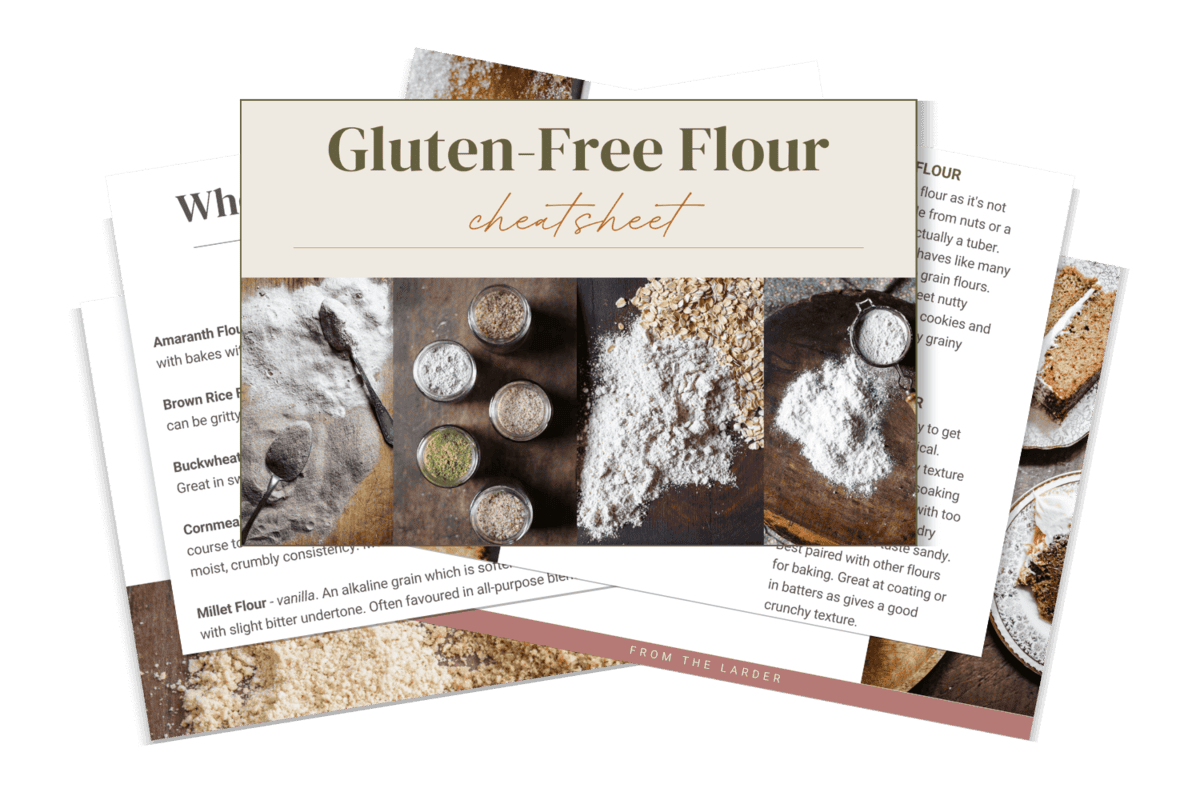
Gluten-Free Flour Cheatsheet
The Gluten-Free Flour Cheatsheet makes choosing the right flour easy, breaking down every option from sorghum to cassava into four simple categories. With nutritional info, flavour pairings, and a printable reference section, this guide cuts through the confusion so you can navigate gluten-free baking with clear flour choices.
How To Make Gluten-Free French Toast
For full recipe instructions go to the recipe card at the end of this post.
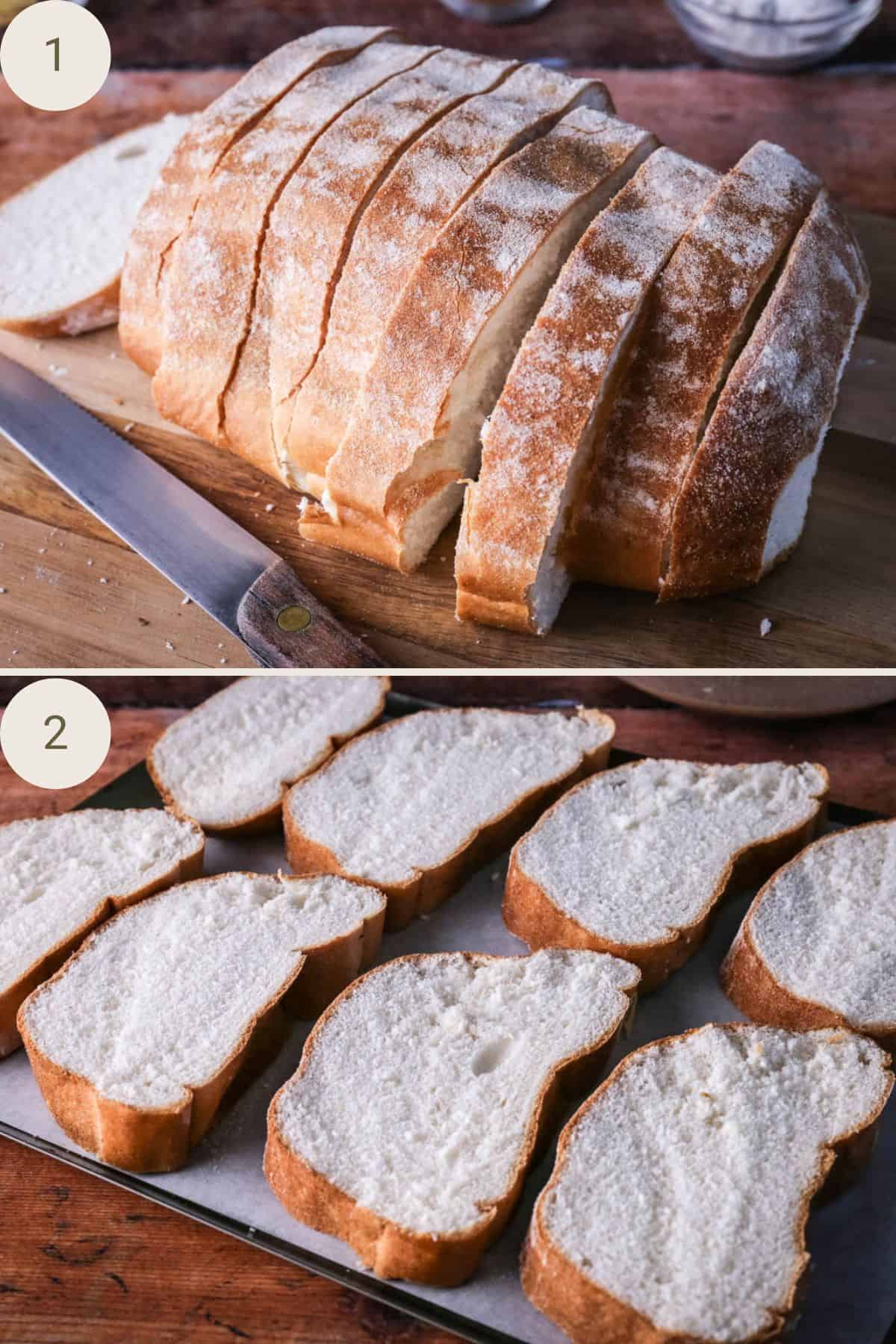
Cut the gluten-free bread into thick slices, a 400g loaf will produce about 8-10 slices. Place on a large lined baking sheet then bake in the oven for 5 minutes.
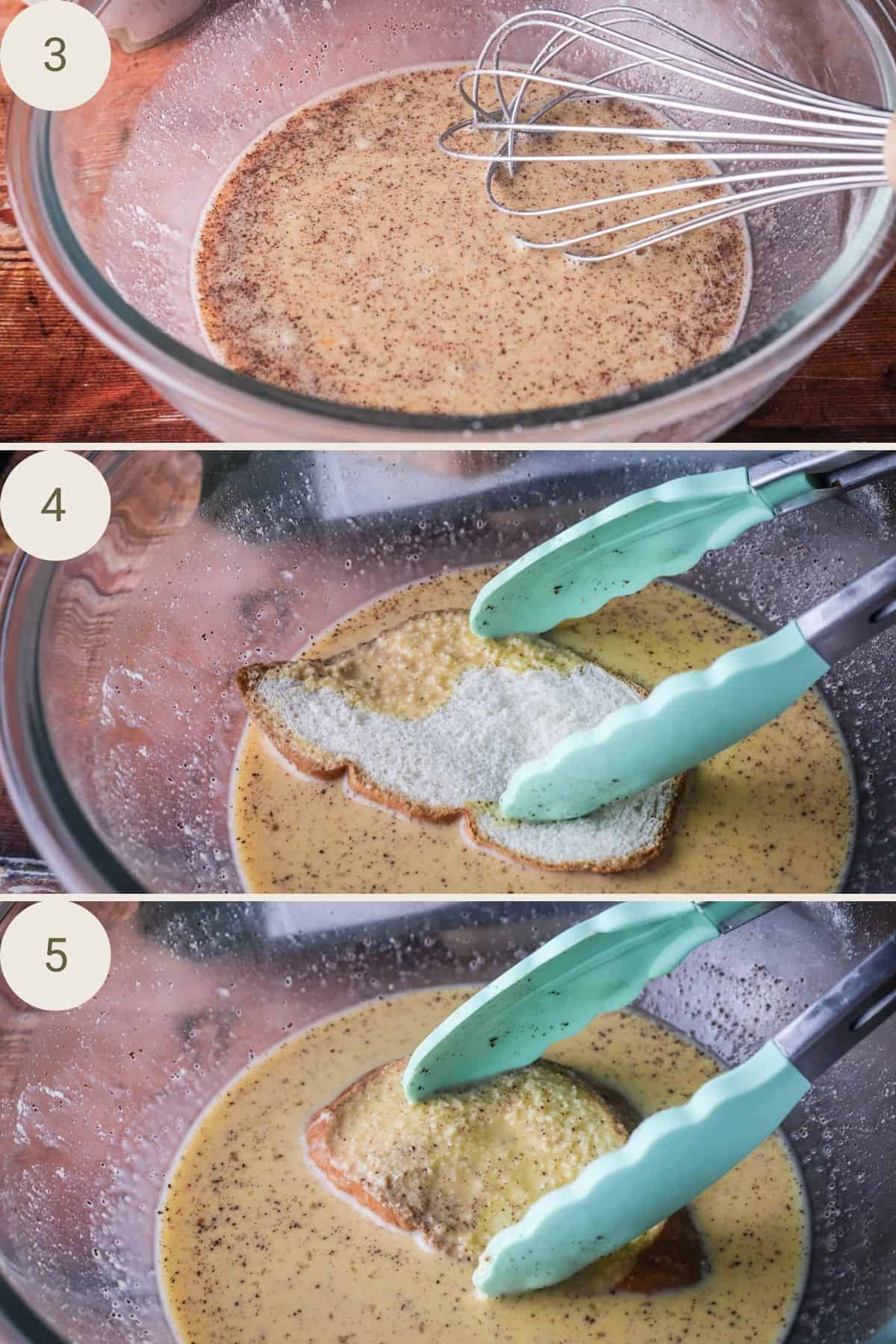
Make the custard by whisking together the milk, eggs, gluten-free flour, maple syrup, vanilla and cinnamon in a large mixing bowl. Allow to rest whilst you are waiting for the bread to finish in the oven.
Dip the dried bread into the custard using tongs. Store-bought gluten-free bread absorbs very easily so you don’t want to soak the bread longer than 10 seconds each side.
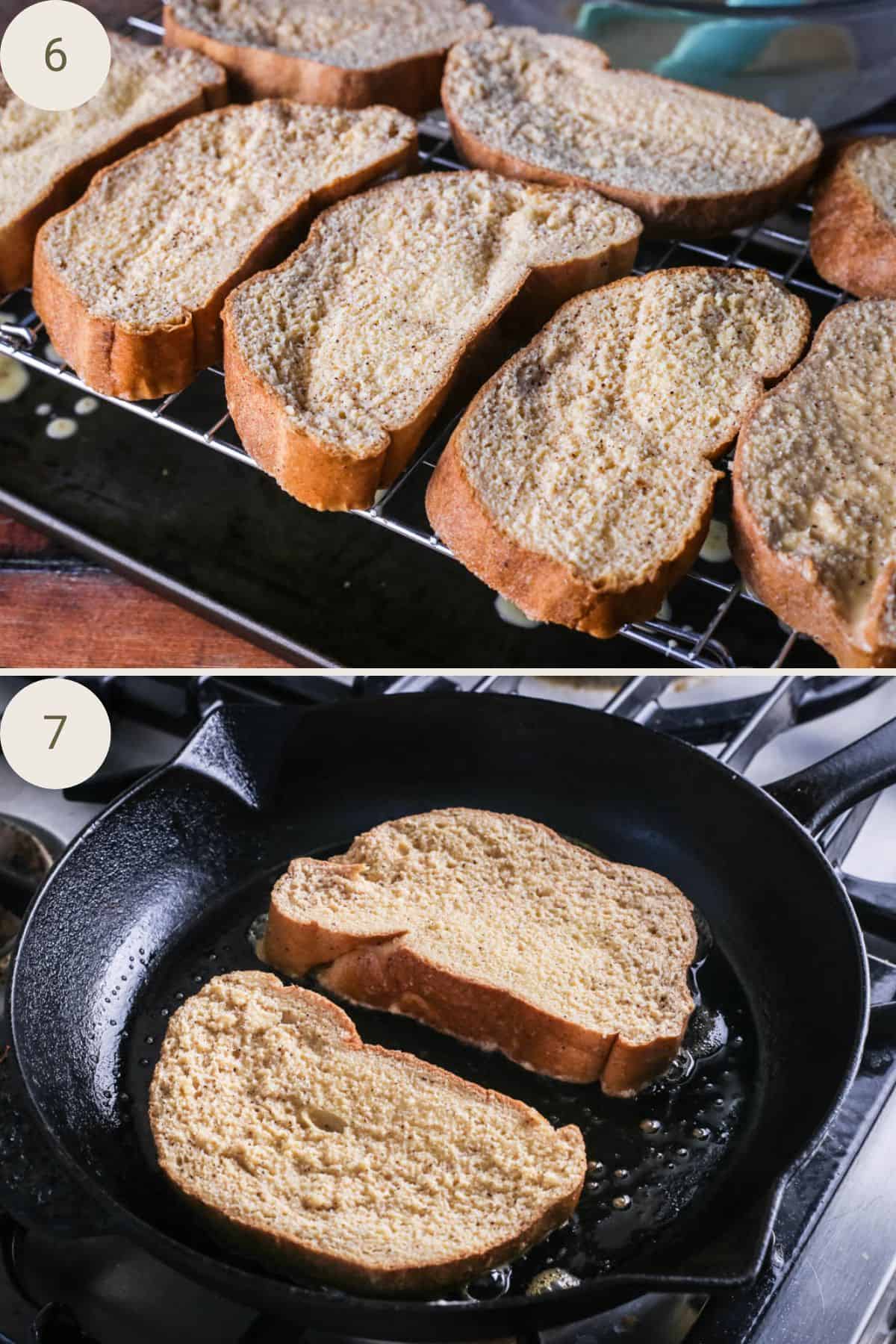
Once you’ve soaked each slice of bread then place on a wire rack whilst you finish soaking the rest. Melt the butter in a pre-heated pan. Once melted add the bread, cook for 2-3 minutes on each side until golden.
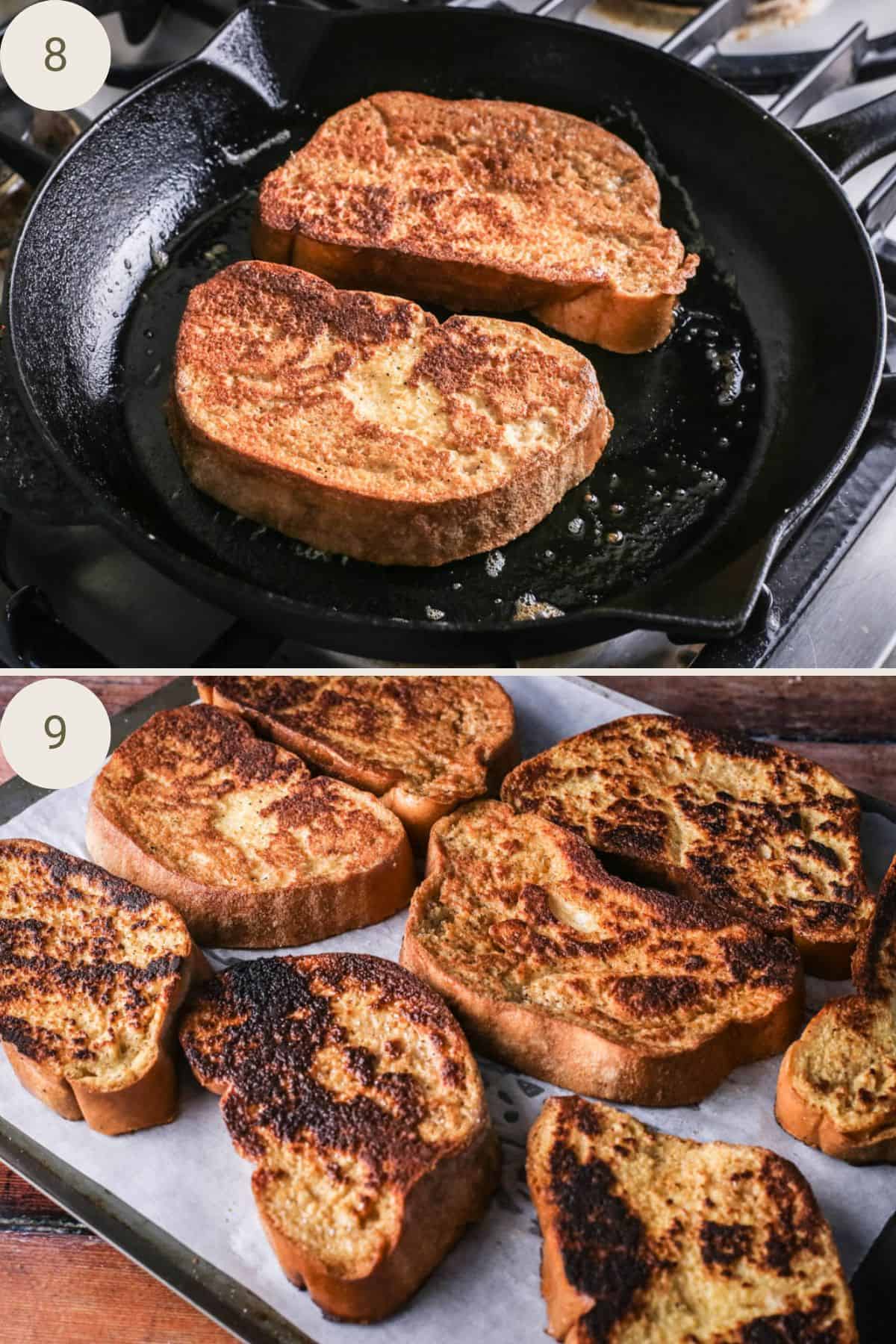
Place the cooked French Toast back onto the original lined baking sheet and place in the oven to keep warm. Repeat until all the French Toast has been cooked.
Tips and Troubleshooting
Pre-heating the pan. Turn the heat onto your frying pan/skillet at least 5 minutes before cooking your French toast. This way the pan thoroughly warms up so you can ensure even cooking.
Drying the bread. This is the key to making Gluten-Free French Toast. By drying the bread in the oven you are giving the slices more stability to withstand the custard and the ability to soak up more, thus providing more flavour. Do not skip this step as it's crucial giving stability to the bread.
Soaking the bread. Different brands of bread will accept the custard without disintegrating better than others. I have found that if the bread is cut lovely and thick then an 8-10 second soak per side is about the most you can get away with. Homemade gluten-free bread or very stale bread can withstand a much longer soak. You can test with your first slice to see what you can get away with. Obviously the longer the soak the more flavourful your French Toast.
Handling the soaked bread. You can use kitchen tongs to help dip the bread, or your hands for complete control. A wide food turner can also give stability if your bread is feeling a bit too soggy and you need help keeping it together.
Keeping the French Toast warm. I recommend drying the bread first in the oven. Even though the oven will be turned off it will still have residual heat and this is perfect for keeping your cooked slices of French Toast warm whilst you are preparing your next batch. If you find your oven has cooled down too much then turn it onto the lowest heat possible.
Recommended equipment: Cast iron skillet, silicone tongs, balloon whisk, large baking sheet, silicone food turner.
Make Ahead Overnight
It’s possible and actually very successful to prepare your gluten-free bread the night before as it allows the bread to relax in the custard, and soaking it throughout the slice without drying out or falling apart. It actually makes the French Toast a lot moister so if you have time I do recommend this method.
If you want to make your Gluten-Free French Toast ahead of time then do not skip the oven drying stage.
Slice, dry and soak the bread as per the recipe the night before. Stack the soaked bread in a large baking dish with parchment in between the layers to stop them from sticking together. If there is extra custard then you can pour over the slices. Cover with cling film or a lid.
The next morning you can cook the French toast as per the below recipe.
How to Serve French Toast
We are a large family of 6 and we all have our preferred ways of enjoying our French Toast so I put all the toppings on the table and let the masses dig in.
Bacon and maple syrup. This is a classic for a reason.
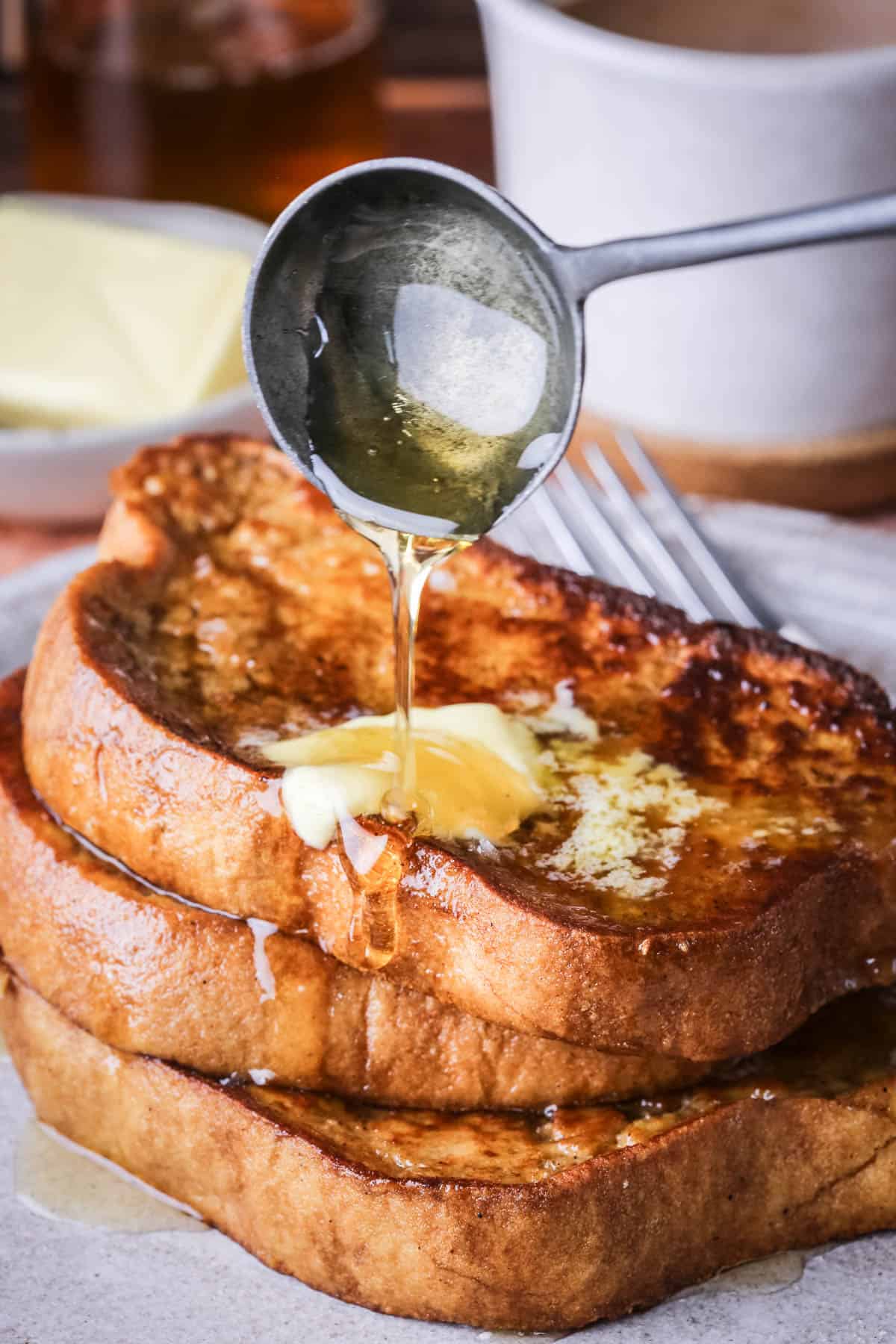
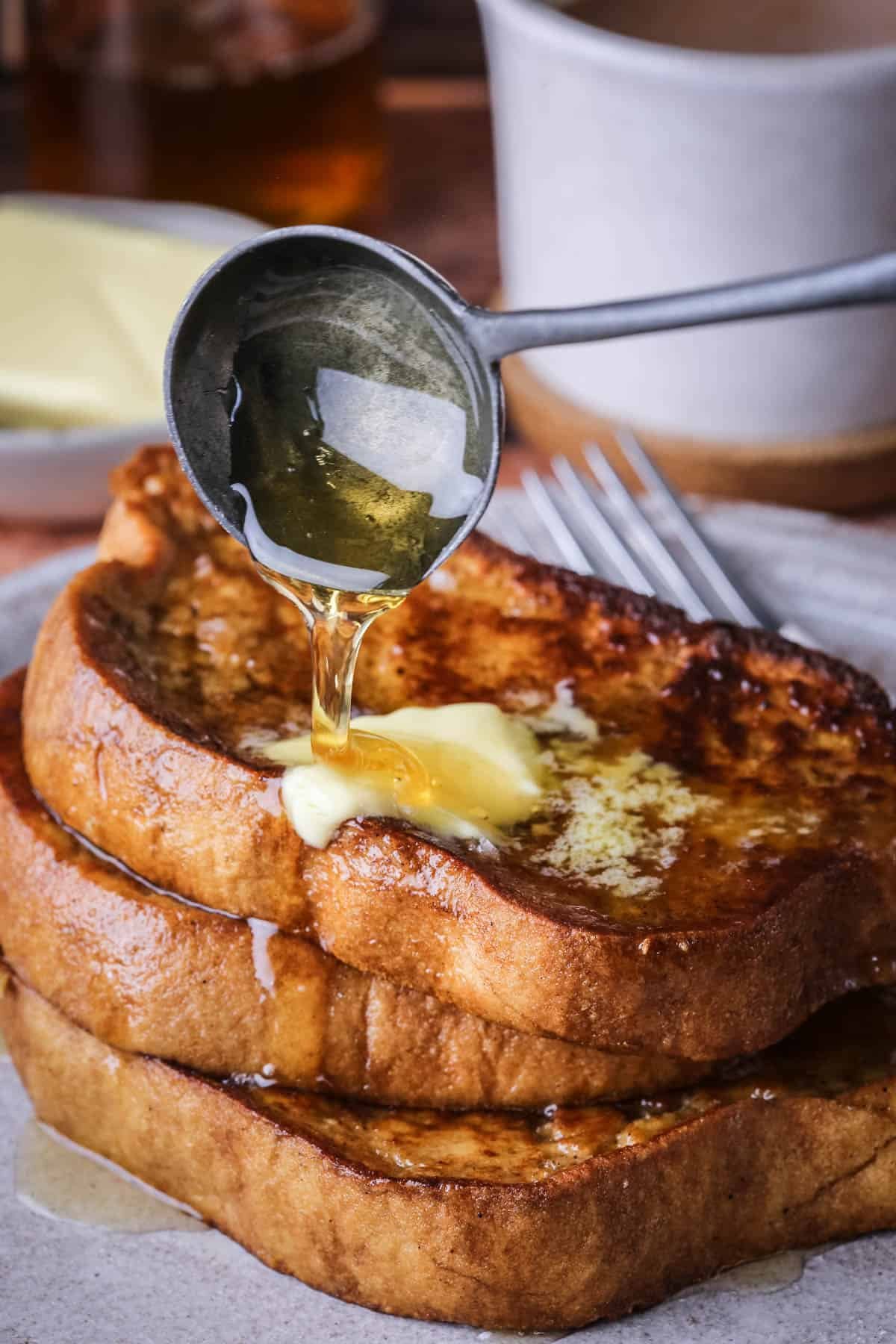
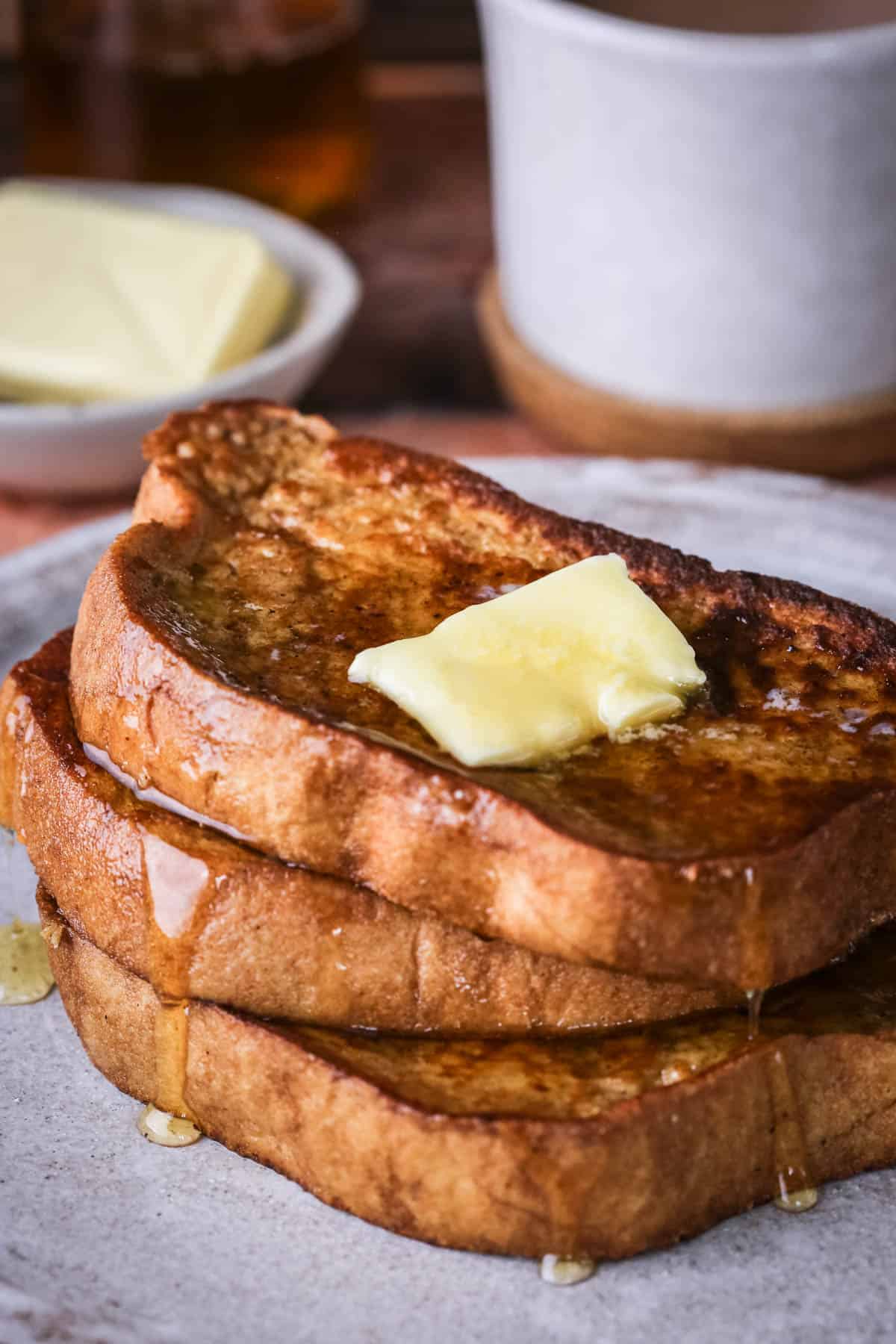
Lots of butter and lots of honey. This is how I photographed the recipe and it’s a standard with my children. They will happily much of leftovers of the French Toast straight from the pan but if it’s hot it has to be butter and honey.
Greek yoghurt and fresh fruit. A large bowl of seasonal berries on the table is a must, sliced banana, sliced peaches, anything that’s in season.
Fruit preserves. Again, paired with Greek Yoghurt, include a lovely helping of apple butter, lemon curd, strawberry redcurrant , raspberry coconut or pumpkin jam.
Cashew cream. Our delicious dairy-free option. This whipped sweetened cream recipe is wonderful with French Toast.
Nuts and seeds. Added protein, flavour and texture crumble over some toasted nuts and seeds. Pecans, flaked almonds, hazelnuts, pistachios, pumpkin and sunflower seeds are particularly good.
Now that’s all well and good if we’re serving French Toast for breakfast or brunch but we also love it as a dessert and these are my favourite dessert toppings:
All with a dusting of icing sugar, whipped cream and plenty of fresh berries.
FAQs
Gluten-free bread is a lot more fragile than regular bread. It absorbs liquid a lot faster so if you’re overly soaking the bread in the custard then it can just disintegrate. It’s best to choose a more robust loaf of gluten-free bread like Tiger Bloomer or Sourdough or homemade bread, cut thick slices and soak for only 10 seconds each side.
Gluten-free sourdough is an excellent choice for French toast. It’s denser texture means it will hold its structure much better when soaking in the custard. Tighter crumbed loaves might benefit from 2-3 seconds longer soaking time. Seeded loaves add a lovely crunch to proceedings and are also a good choice.
You can prepare and soak the gluten-free bread the night before. Or you can batch cook the whole French Toast for serving at a later date. Cool on a wire rack to avoid sogginess, then store in an airtight container in the fridge for up to 3 days.
To re-heat then brush the slices with melted butter (or olive oil), place on a large baking sheet and warm in an oven pre-heated to 160°C / 140°C fan assisted / gas mark 3 / 320°F for 6-8 minutes.
French Toast can be frozen for up to 3 months. Cool on a wire rack then layer in airtight containers with baking parchment in between layers to stop them sticking together. Thaw overnight at room temperature then re-heat as above.
Recipe Variations
Protein Packed French Toast. I include this recipe here as I have made this version quite a few times. Use 2 tablespoons of almond flour and 1 tablespoon vanilla protein powder instead of the gluten-free flour.
Banana French Toast. Blend a mashed banana into the custard which gives such a lovely caramelised banana flavour to your French toast.
Savoury French Toast. Ooh, now this is good. Add a couple of handfuls of mature cheddar to your batter (I like to keep in the maple syrup – I love the sweetness here). Add some freshly chopped chives in there too if you like. Gorgeous served with bacon and maple syrup.
More Gluten-Free Brunch Recipes You’ll Love
This Quick and Easy Gluten-Free Waffle Recipe is made with sweet rice flour and buckwheat flour. It’s a simple recipe which creates the best gluten-free waffles which are crisp, fluffy and taste incredible.
These Gluten-Free American Pancakes are thick and fluffy pancakes and taste wonderful. The carefully chosen flours mean they are light in texture with a deep toasty vanilla flavour
Pecan Espresso Granola is bold and crunchy with a roasted coffee flavour baked in which pairs perfectly with the toasty pecans.
Enter your email below to get this recipe sent to your inbox plus get new recipes, baking tips, and updates.
Gluten-Free French Toast
Ingredients
- 1 loaf gluten-free bread - a 400g loaf will serve 4-6 people
- 160 g whole milk
- 4 eggs
- 3 tablespoons homemade gluten-free flour - FTL Blend
- 1 tablespoon maple syrup
- 1 teaspoon vanilla extract
- 1 teaspoon ground cinnamon
- 2 tablespoons unsalted butter
Instructions
- Pre-heat the oven to 160°C / 140°C fan assisted / gas mark 3 / 320°F.
- Cut the gluten-free bread into thick slices, a 400g loaf will produce about 8-10 slices. Place on a large lined baking sheet then bake in the oven for 5 minutes.
- Turn off the oven when you remove the bread.
- Meanwhile start heating up a heavy bottomed frying pan. A cast iron skillet is perfect if you have one but use what you have. Heat to a low-medium heat.
- Make the custard by whisking together the milk, eggs, gluten-free flour, maple syrup, vanilla and cinnamon in a large mixing bowl. Allow to rest whilst you are waiting for the bread to finish in the oven.
- Dip the dried bread into the custard using tongs. Store-bought gluten-free bread absorbs very easily so you don’t want to soak the bread longer than 10 seconds each side.
- Once you’ve soaked each slice of bread then place on a wire rack whilst you finish soaking the rest.
- Melt 1 teaspoon butter in the heated pan.
- Once melted add the bread, cook for 2-3 minutes on each side until golden. You’ll probably manage cooking 2 slices of bread at a time depending on the size of your pan.
- Place the cooked French Toast back onto the original lined baking sheet and place in the oven to keep warm. The oven should still be warm from drying the bread at the beginning of the recipe.
- Add another teaspoon of butter to the pan and cook another two slices of French toast.
- Repeat until all the French Toast has been cooked.
- Serve the French Toast warm with your favourite toppings.
Video
Notes
- 2 tablespoons almond flour + 1 tablespoon starchy flour (e.g. tapioca flour / cassava flour)
- 2 tablespoons wholegrain flour (e.g. oat flour or sorghum flour) + 1 tablespoon starchy flour.