Gluten-Free Easter Cookies
This post contains affiliate links. Please read my disclosures.

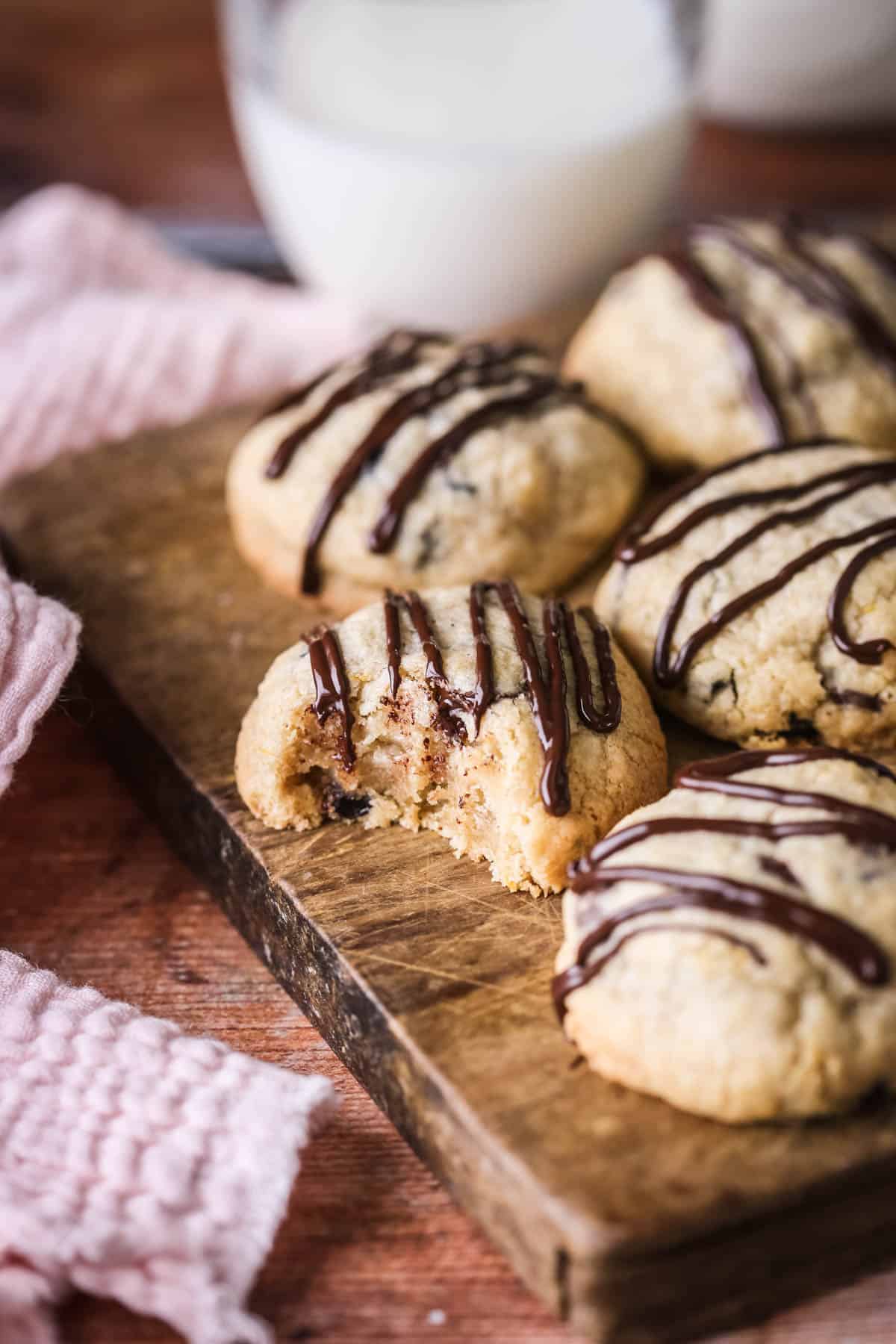
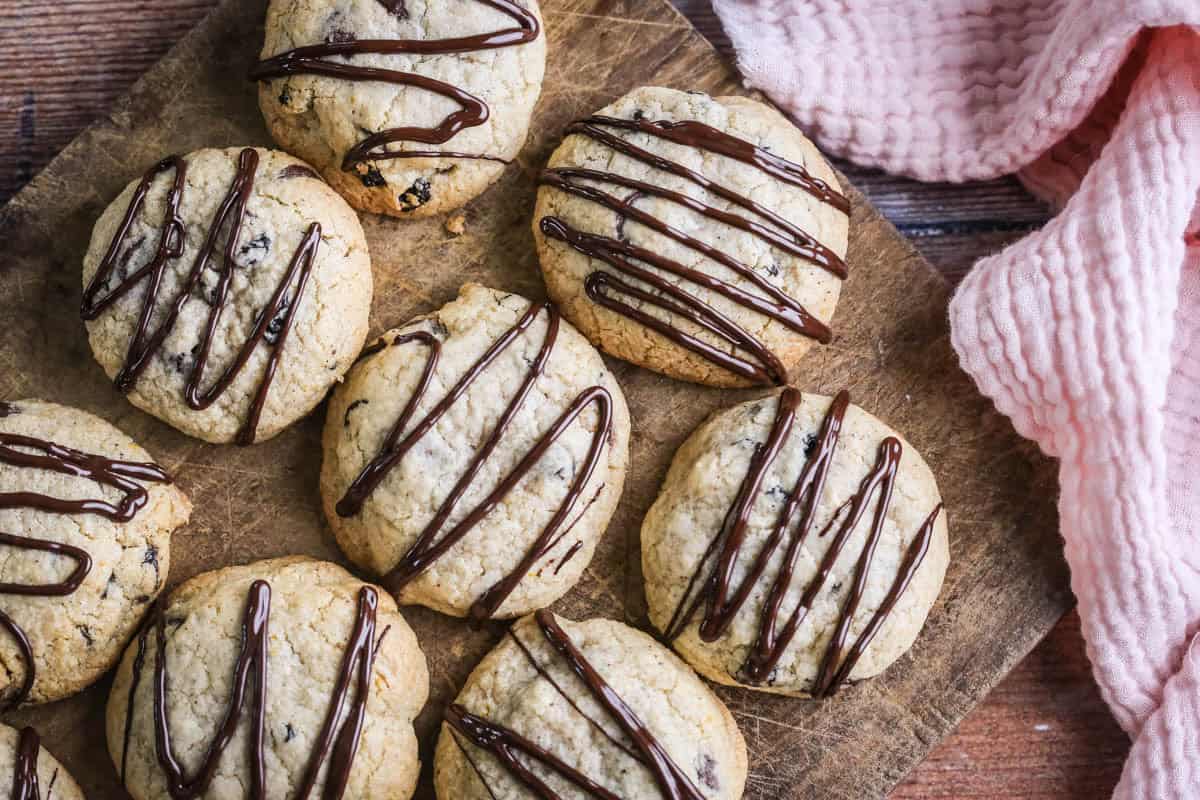
Easter Cookies are simple to make and loaded with dark chocolate, spices, currants and marzipan for fun festive baking with full on flavour.
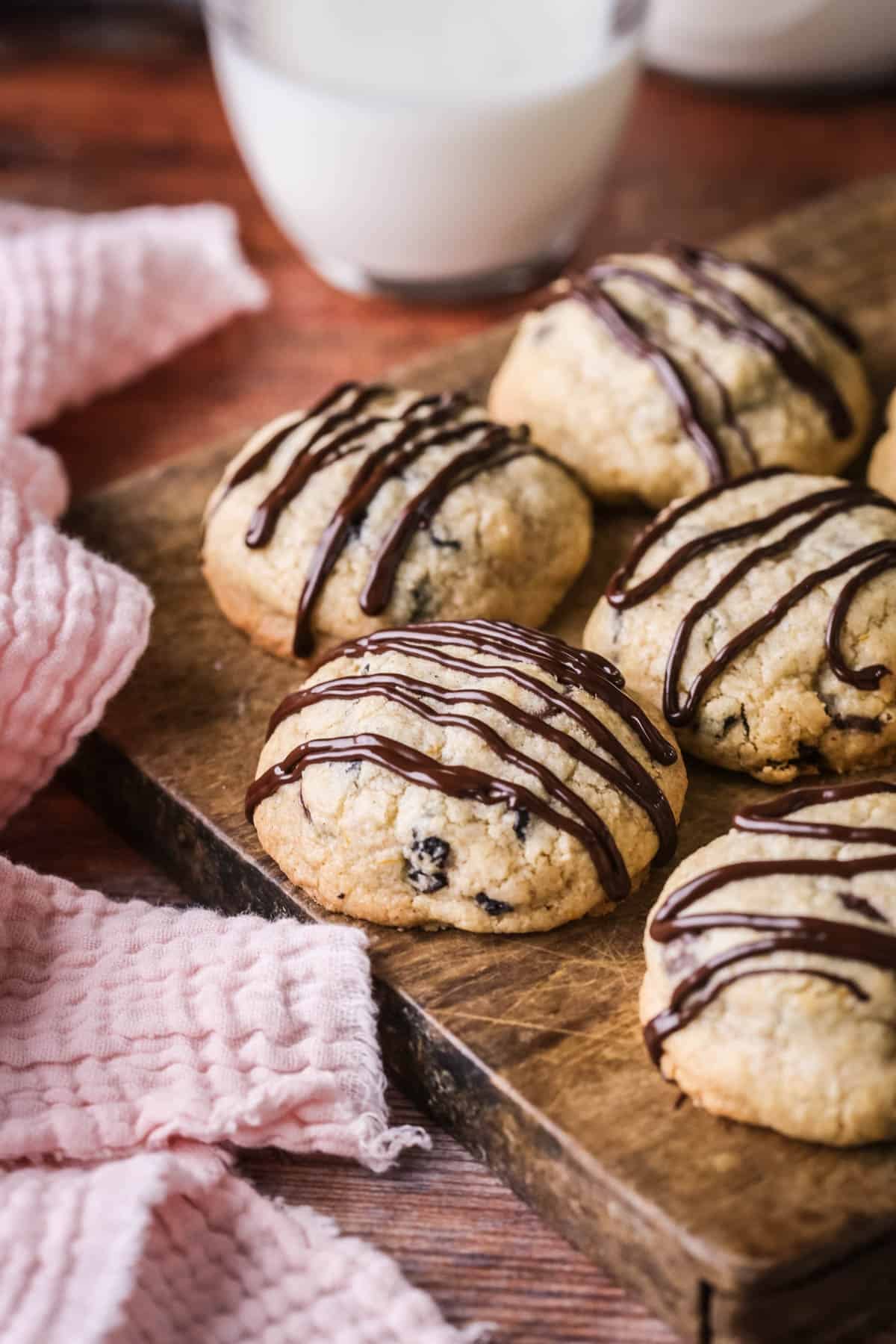
These easy to make cookies are perfect to make as part of your Easter baking. They are delicious any time of year but boast marzipan, currants, citrus, mixed spice and dark chocolate for a festive Easter flavour.
These soft bakery style Easter Cookies are a cross between the more traditional Easter biscuit and a chocolate chip stuffed cookie. They are quick and easy to make (just factor in an hour of chilling the dough) and definitely could be a project over the Easter break to bake with the children.
Loaded with spices, marzipan, orange zest and chocolate these cookies are small but mighty and actually a bit different. I adore the mini chunks of marzipan in these cookies but I have to admit my children are not as keen so I will leave it out if I’m baking with them (or add the marzipan to half the batch).
Why You’ll Love These Gluten-Free Easter Cookies
- Festive flavour balance of orange zest, currants, marzipan, gentle spices and chocolate.
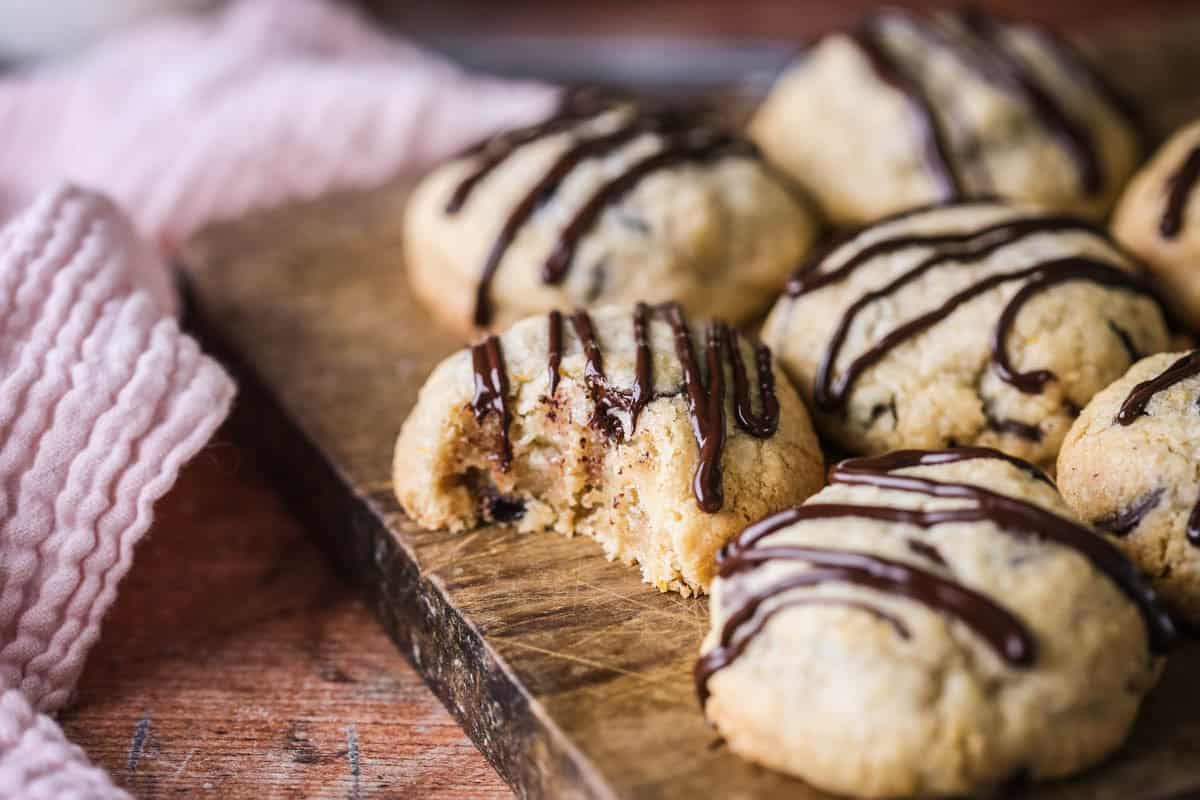
- Thick, soft and tender texture with a slight chew to the baked and cooled cookie.
- No dry crumbly cookie here, they hold together perfectly.
- Quick to bring the dough together, save a little resting time, and quick to bake.
- Uses my homemade gluten-free flour blend and no xanthan gum.
Watch the Video
Sometimes it helps to see a visual of what I'm talking about. So watch the video to see what it looks like to make your Gluten-Free Easter Cookies.
Ingredients Needed
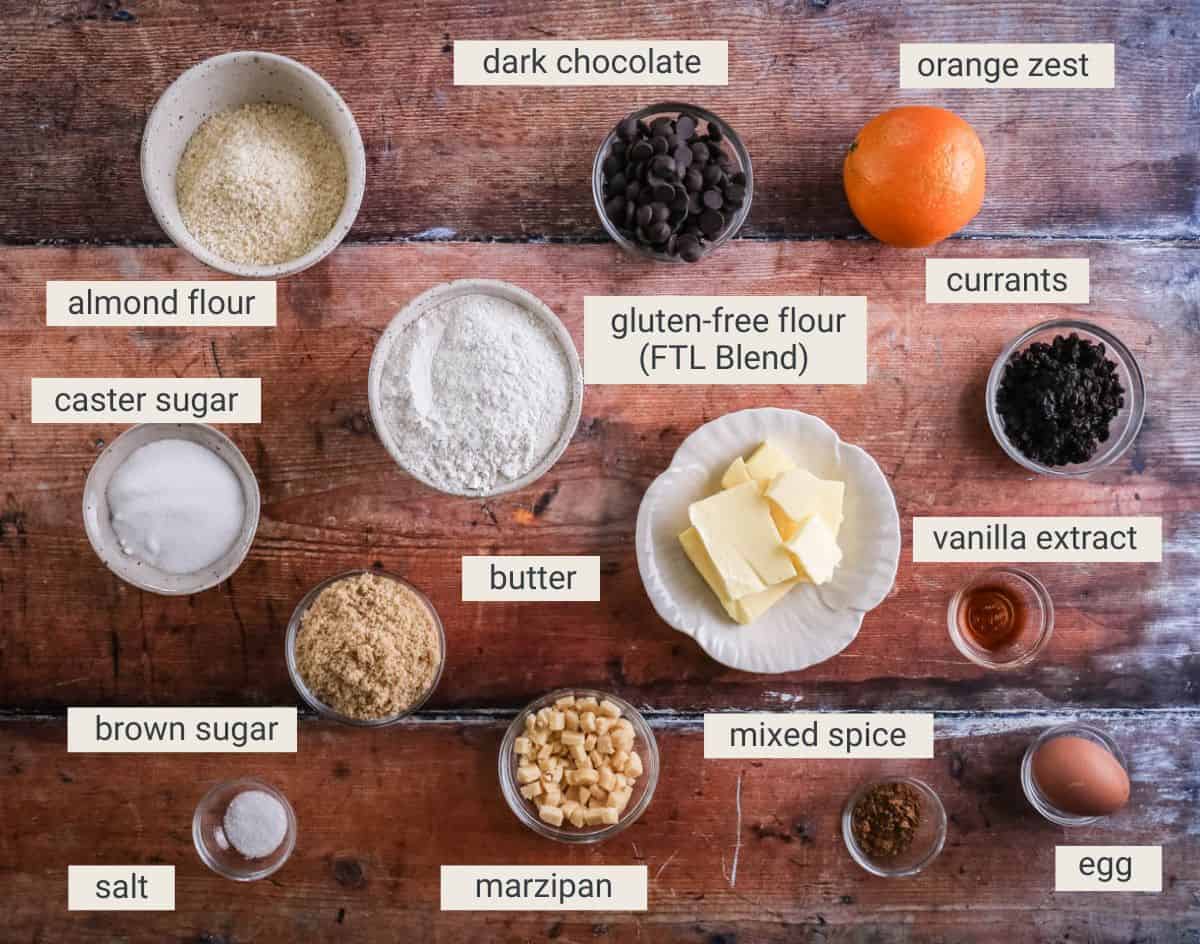
Gluten-Free Flour – FTL Blend. This recipe uses my Homemade Gluten-Free All Purpose Flour which works really well here as the flour ratio has been carefully tested to ensure the mix between wholegrain flours and starchy flours is balanced. This also means we don’t need to use xanthan gum as the blend is strong enough and produces a well structured and textured bake which can hold together without needing any extra binders.
This flour blend is a mix of 4 different flours: sweet rice flour (glutinous rice flour), sorghum flour, oat flour, tapioca flour (tapioca starch).
Almond flour. If you are in the UK then almond flour is sold as 'ground almonds' in most major supermarkets. These are blanched and ground almonds - if you are confused then check out this post which discusses how you know you are using the right almond flour for your recipe.
Unsalted butter. We need unsalted so we can control the salt content of the recipe. Make sure it is at room temperature.
Brown sugar. Gives lovely gentle molasses flavour and moisture.
Caster sugar. It’s a fine white baking sugar available in the UK. Regular white granulated sugar can be substituted.
Egg. This recipe uses 1 medium sized egg of about 60g with shell (50g without shell). This is often classified as a large egg in the US. I recommend weighing your egg to ensure the correct amount.
Orange zest. Make sure the orange is unwaxed so you don't need to scrub off the wax first.
Vanilla extract. You don’t need to use the best quality vanilla extract here as there's already a lot going on with the flavours and it won't make a difference. A supermarket brand is just fine.
Mixed spice. This is an essential baking spice common in the UK. If you can’t get it from your local supermarket then you can make your own mixed spice blend.
Salt. I like to use kosher salt in my baking as it has a round gentle flavour. Using salt in your baked goods lifts and sharpens all the other flavours.
Marzipan. Maybe you have some homemade marzipan leftover from making your Simnel cake. Or you can just use shop bought. You don’t need much though – just 50g.
Currants. Currants are traditional in bakes like Hot Cross Buns and Simnel Cake. However, you can switch up for your favourite dried fruit: diced dried apricot or dried cranberries are also favourites of mine.
Dark chocolate. This recipe uses 70% dark chocolate which offsets the rest of the sweetness really well. I like using the Callebaut chocolate chips but you could use your favourite bar of dark chocolate and dice into small chunks.
How To Make Gluten-Free Easter Cookies
For full recipe instructions go to the recipe card at the end of this post.
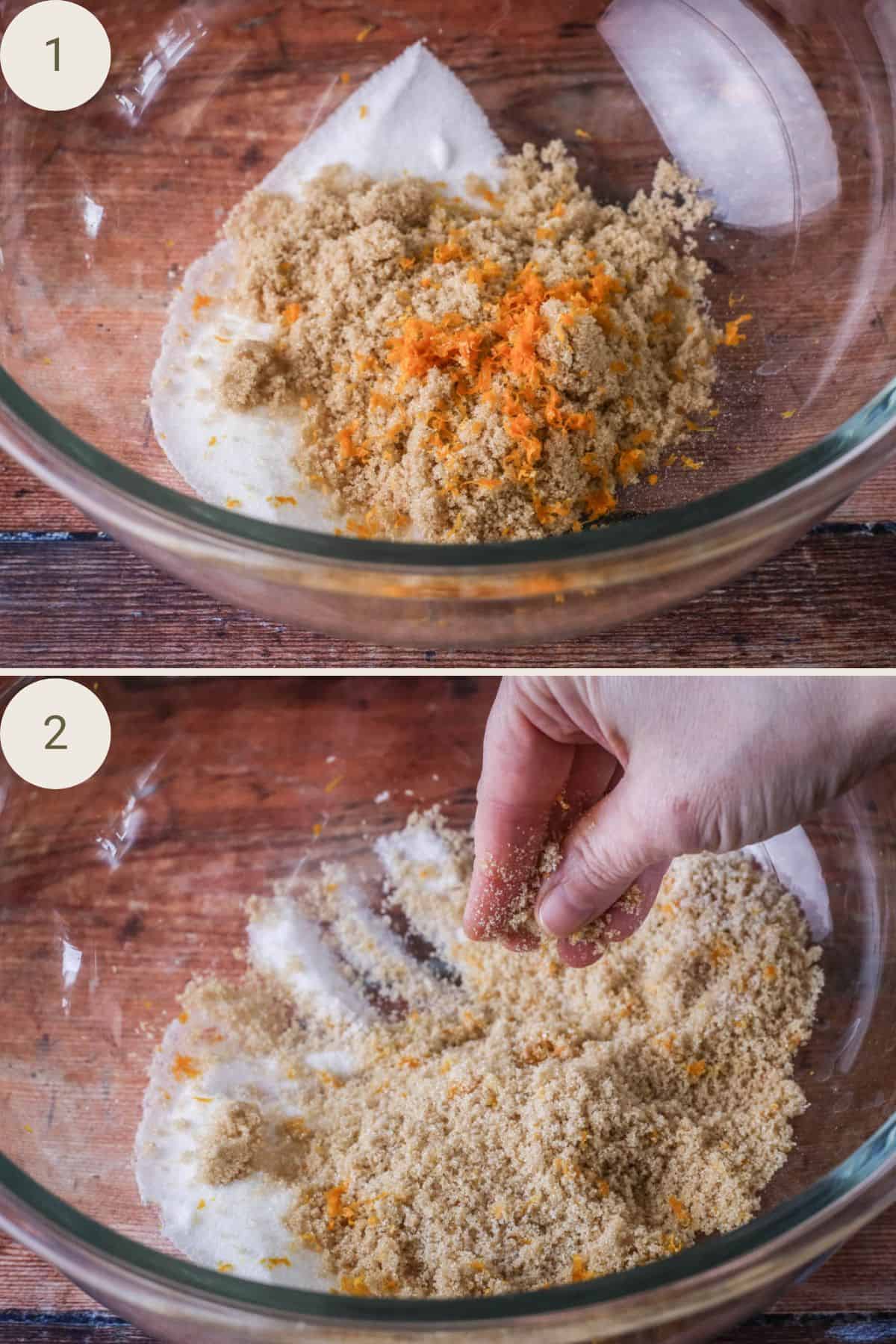
Rub the orange zest with your fingertips into the sugars until fragrant.
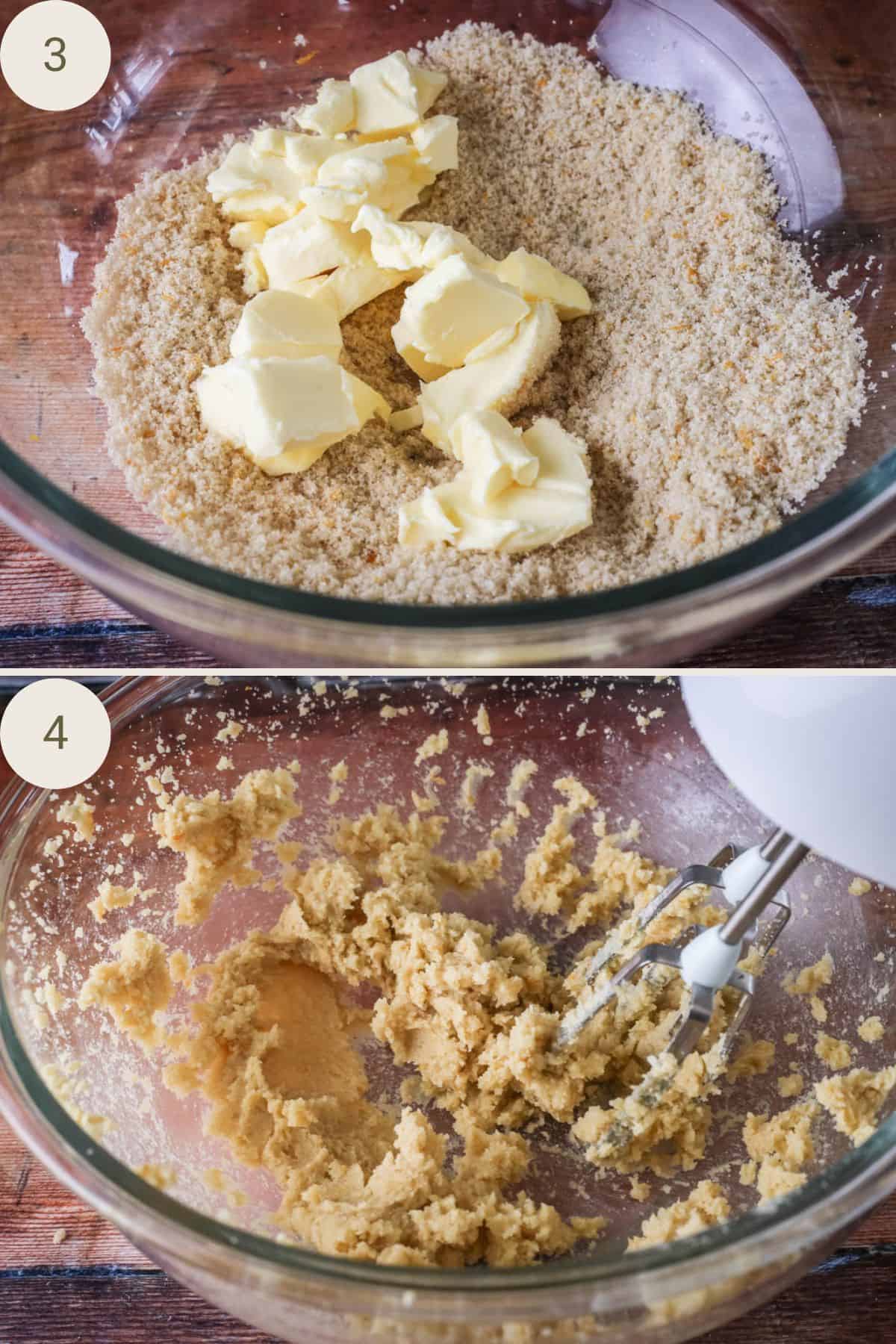
Mix in the butter until light and fluffy.
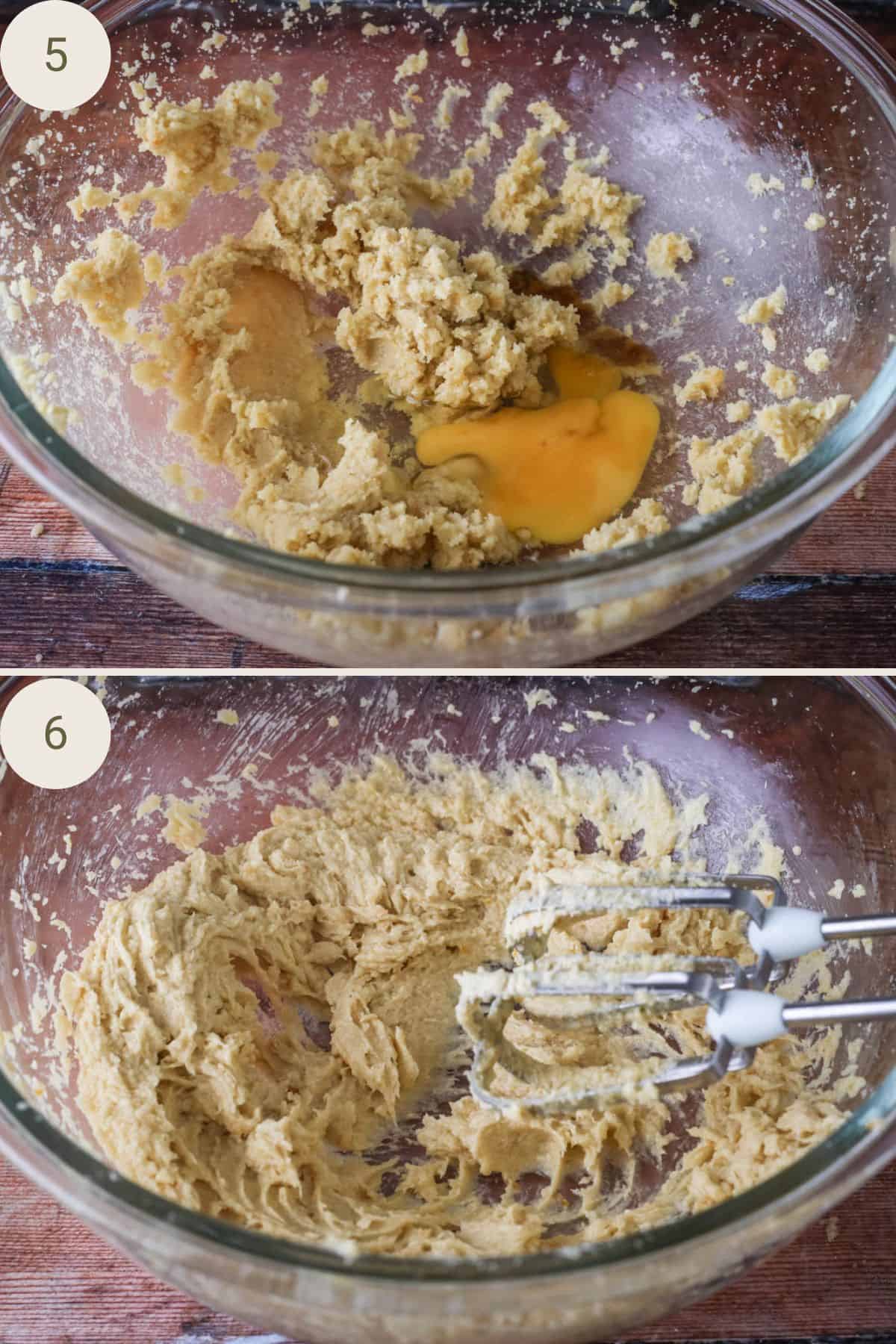
Beat in the egg and vanilla.
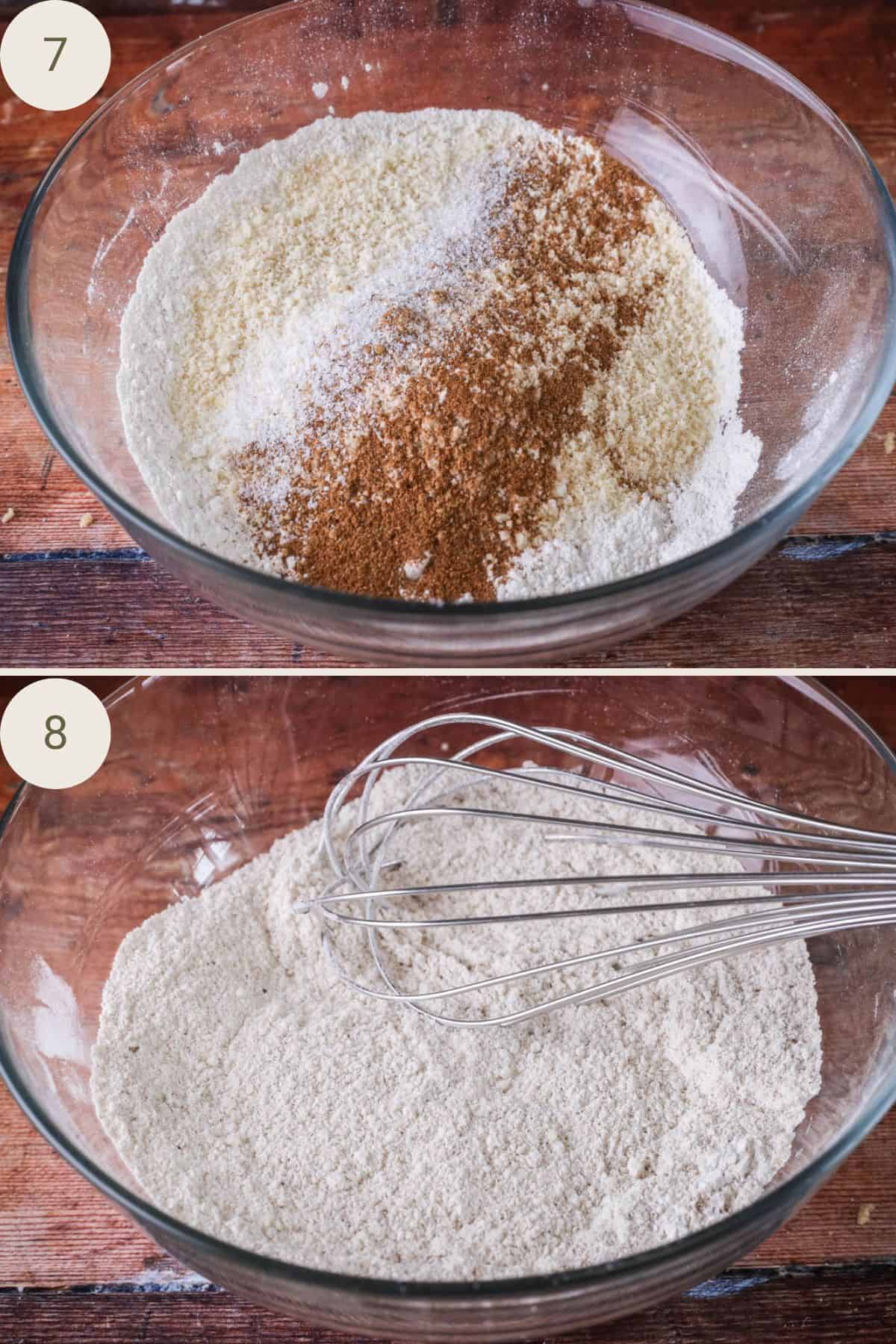
Whisk the gluten-free flour, almond flour, mixed spice and salt together in a large mixing bowl.
Pour the flour mixture into the rest of the cookie batter and mix until combined.
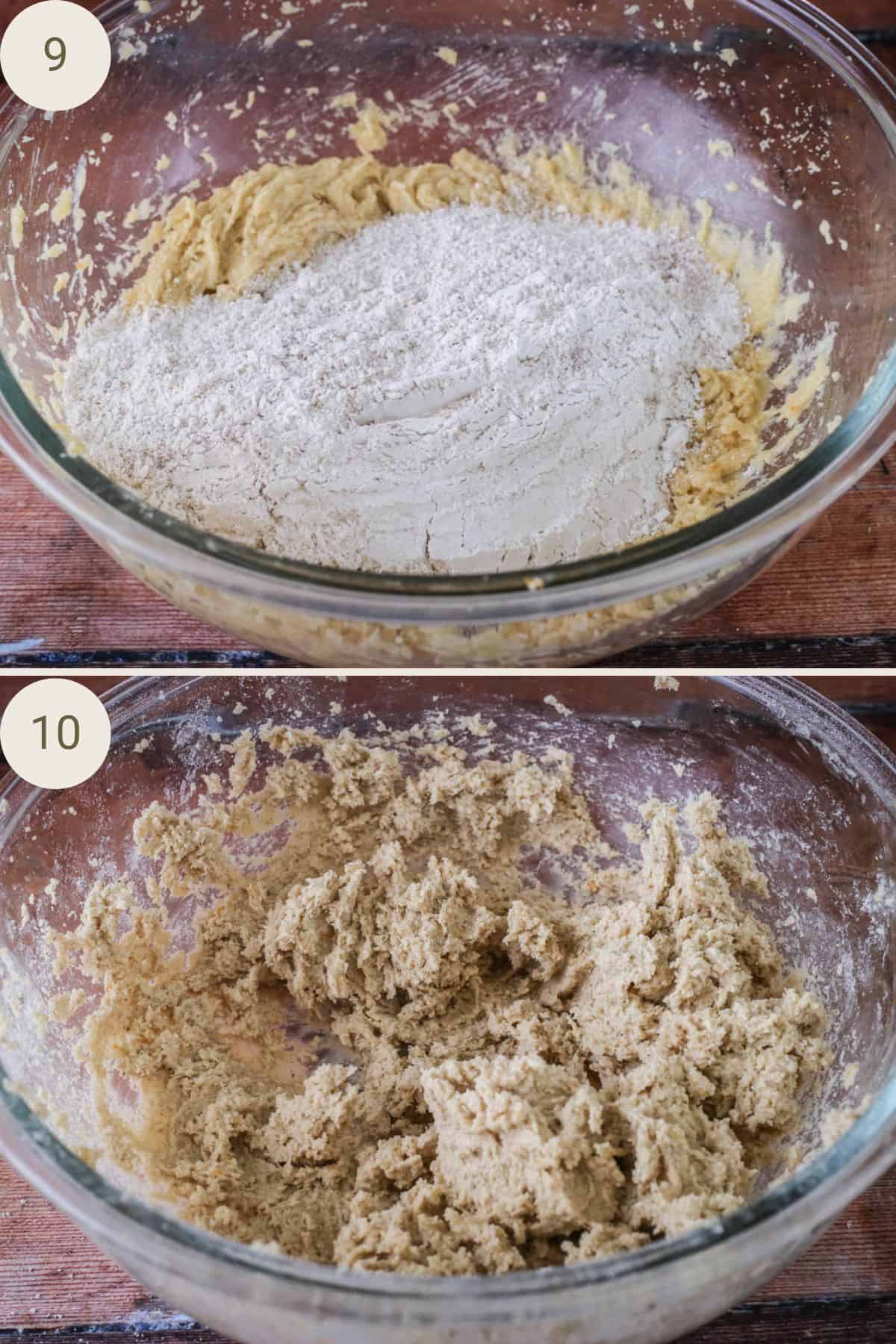
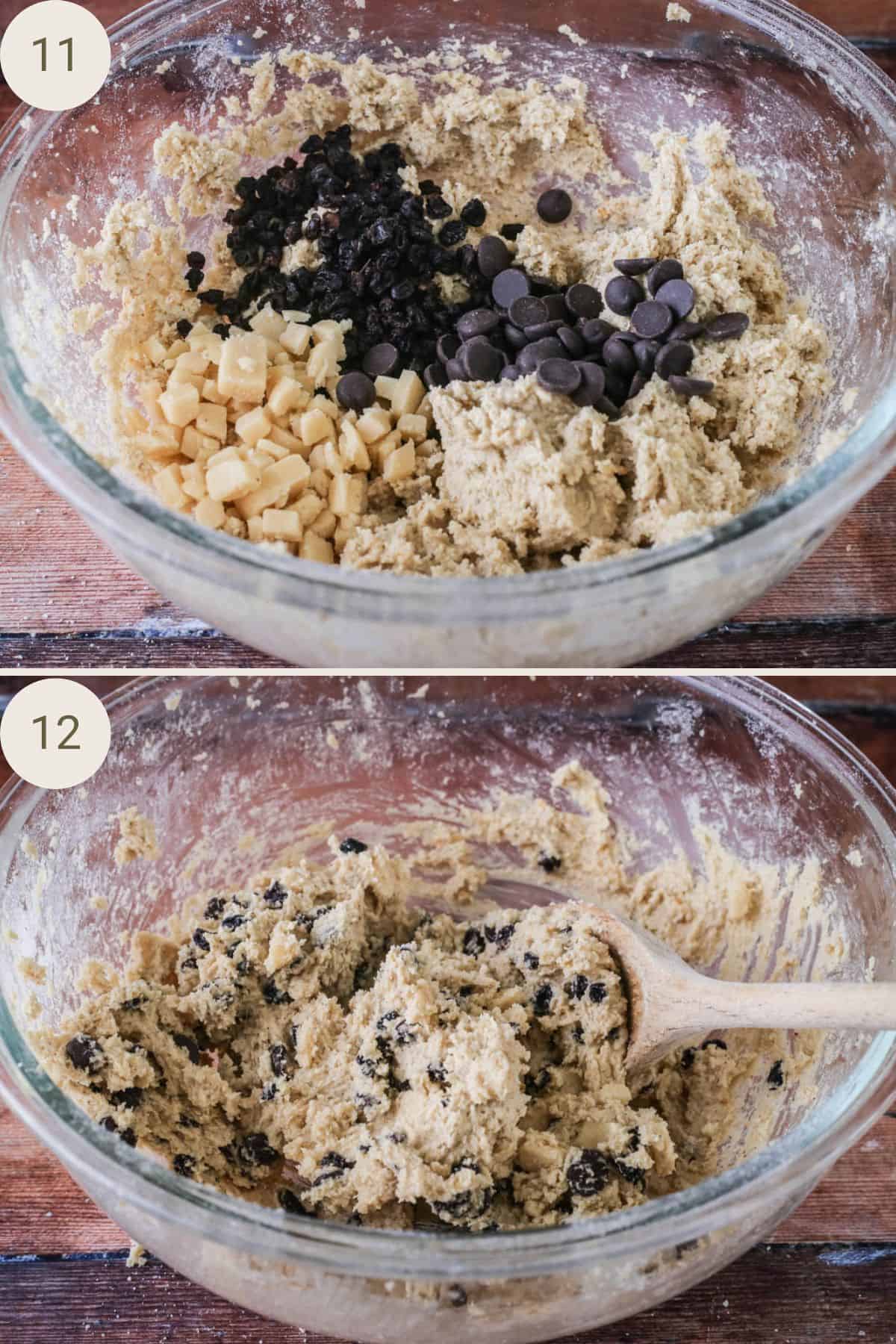
Finally stir in the marzipan, currants and half (50g) of the chocolate. Cover the bowl and chill in the fridge for 1 hour.
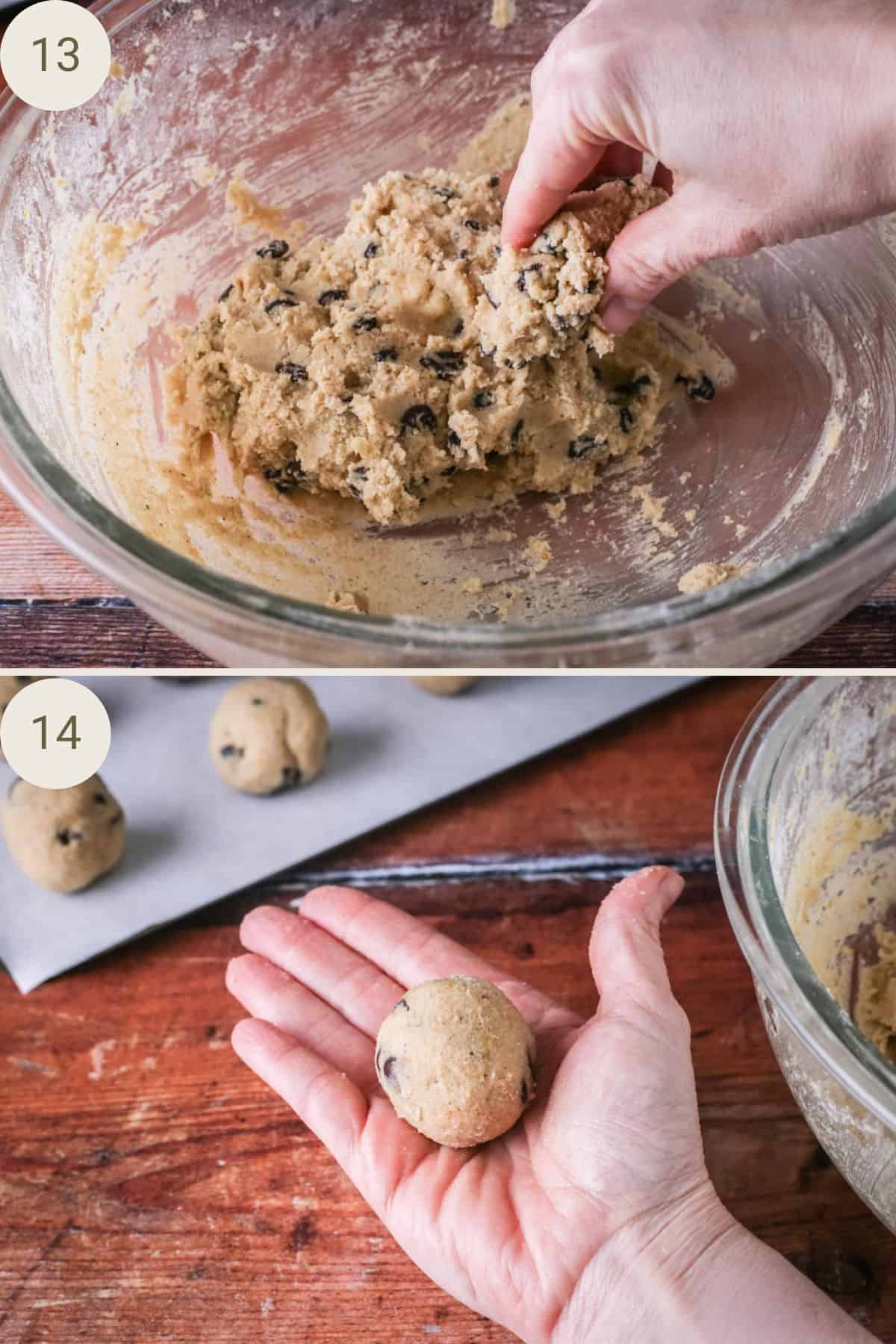
Tear off some of the cookie dough, weigh to 40g then roll into an even ball between the palms of your hands.
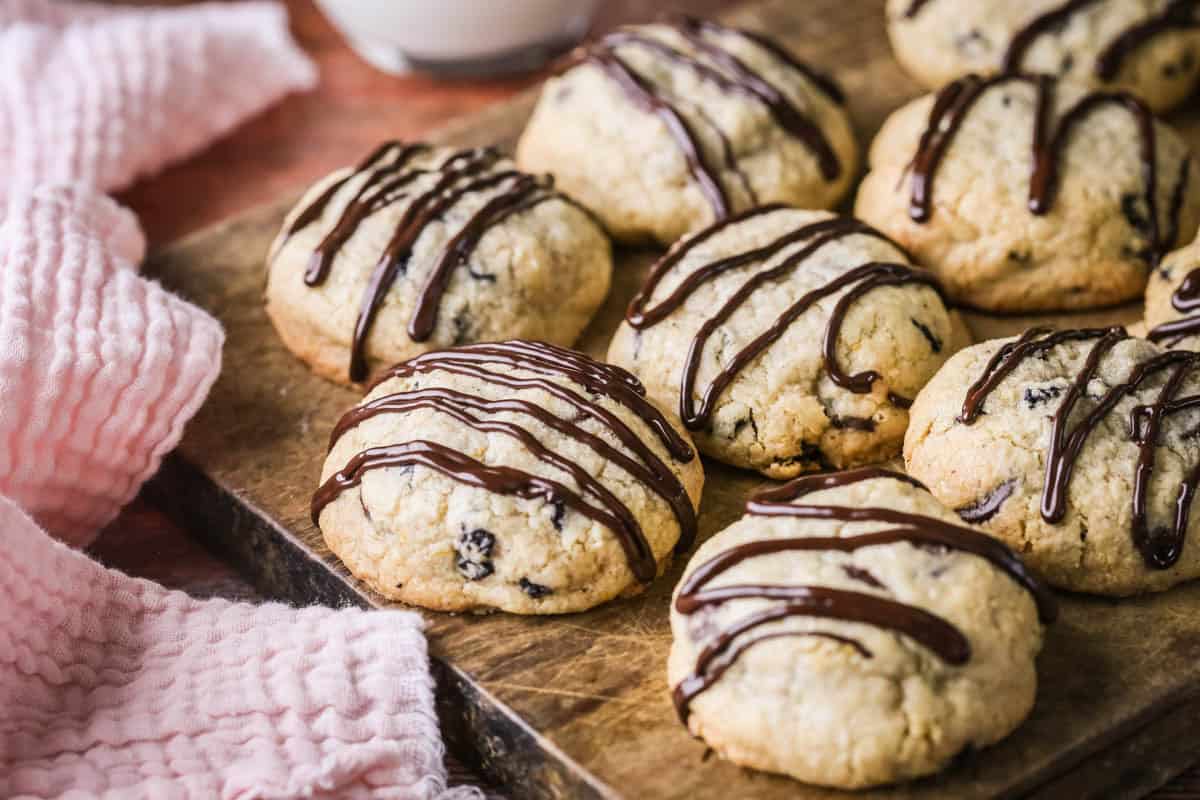
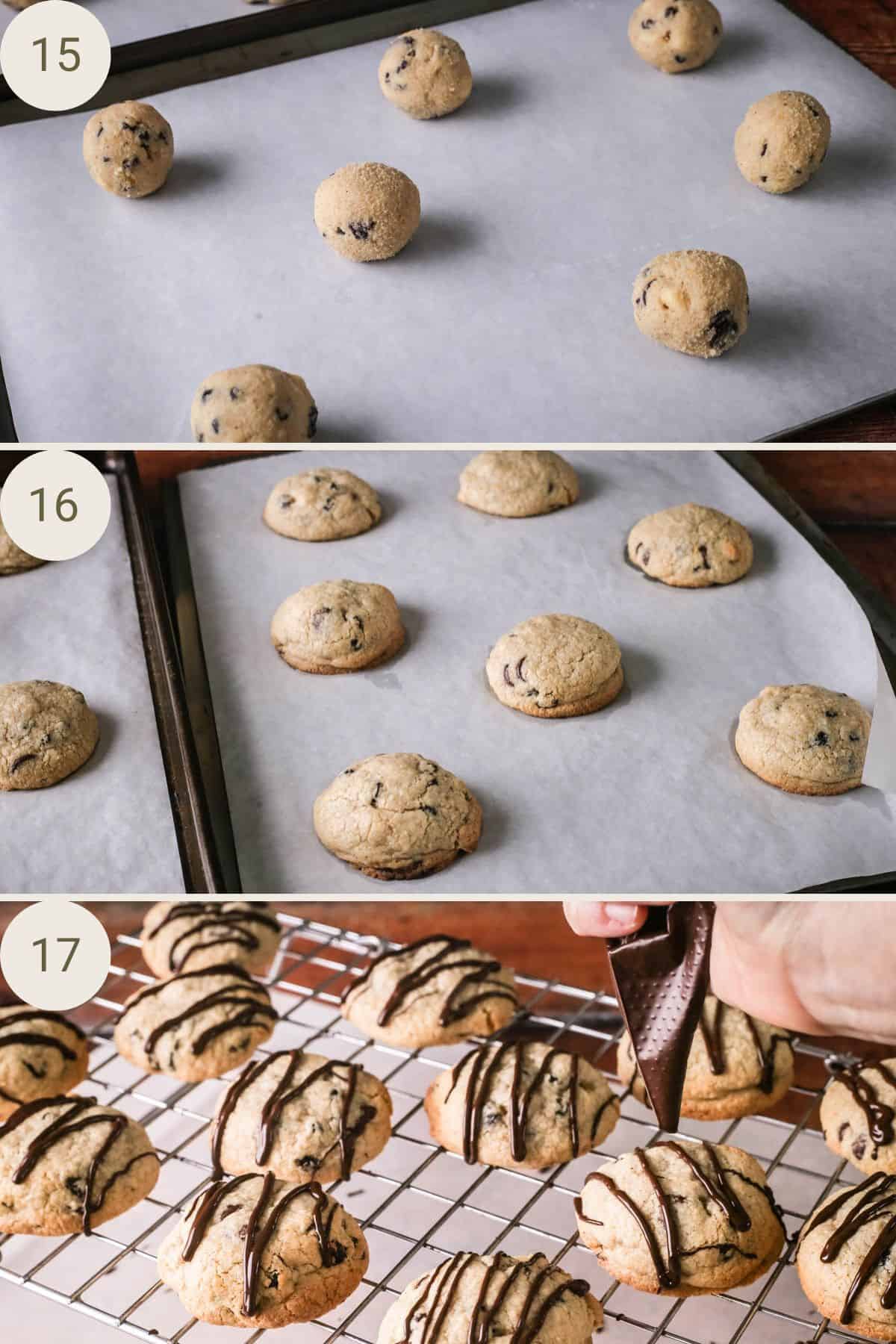
Repeat with the rest of the dough then arrange the dough balls across two baking trays. Chill for a final 15 minutes then bake for 12-14 minutes until turning golden at the edges. Drizzle with melted chocolate.
Tips & Troubleshooting
Use your fingertips to mix the orange zest into the sugars which will help the oils in the citrus warm and release better into the sugar.
These are lovely thick cookies which is due to the chilling time so don’t skip as otherwise the cookies can spread a bit.
I don’t recommend chilling the dough in the freezer as it can lead to uneven chilling. The fridge is your most reliable method.
If your cookies are not spreading enough for you when they have baked then next time skip the final 15 minute chilling time of your rolled cookie dough balls. Or you can press your dough balls down a little to flatten.
The cookies are ready when they are just turning golden brown at the edges. Allow them to rest for 10 minutes on the baking tray so otherwise they fall apart.
Allow the cookies to cool completely before serving as that way they have the perfect texture. They can crumble a bit if eaten when warm.
Store the baked and cooled cookies in an airtight container (preferably not plastic as it keeps in too much moisture) and keep at room temperature in a cool dark place for up to 3 days.
Make Ahead
You can make the cookie dough up to 3 days before you want to bake your cookies. However, overly chilled gluten-free dough tends not to spread very well in the oven.
I recommend making the cookie dough and chilling for up to 3 days in a covered bowl. Then the day you want to serve them, allow to warm up a bit at room temperature for 20-30 minutes before rolling them into their dough balls then baking.
Freeze
You can freeze the rolled cookie dough balls. However, I don’t recommend baking directly from the freezer. Allow to sit at room temperature for 30-40 minutes to thaw as otherwise the cookies don’t spread very well in the oven.
To freeze. Make the cookie dough balls exactly as the recipe below. Place on a tray then flash freeze for 6 hours, then transfer to an airtight container or ziplock bag where they can be frozen for up to 2 months.
FAQs
These Easter cookies have been tried and tested with my homemade gluten-free flour blend which has the right balance of starch and wholegrain flours. This means it doesn’t need xanthan gum to hold the cookie together.
A dry or crumbly gluten-free cookie usually means there isn’t enough starch (or protein) in your flour blend. I don’t recommend swapping out my homemade gluten-free flour blend for a different brand as it will have a different balance of flours and will change the texture of the cookie.
Recipe Variations
Marzipan isn’t for everyone, I didn’t like it when I was younger (absolutely love it now) so if I’m making these with my children we sometimes skip it. Here’s some alternative add-ins you could use instead.
Triple Chocolate. Skip the marzipan and currants and replace with milk chocolate and white chocolate. For the Easter chocoholics!
Mini Eggs. Use about 125g mini eggs. Chop most of them up and stir them into the cookie dough. Once you’ve shaped them into balls then poke 1-2 whole mini eggs into the cookie dough balls before baking.
More Gluten-Free Easter Recipes You’ll Love
This deliciously modern Gluten-Free Simnel Cake has been lightened up and forgoes the traditional marzipan layer, instead we bake diced marzipan into the cake which makes it feel a bit less cloying. To ring the changes we then bake it into a beautiful bundt tin to feel even more festive.
You won't miss out this Easter if you make these light and fluffy Gluten-Free Hot Cross Buns which are sweetly spiced and juicy with plump fruit.
This Gluten-Free Chocolate Fudge Cake is rich, moist and deeply chocolatey, frosted with a smoothly fudgy ganache for chocolatey Easter celebrations.
Enter your email below to get this recipe sent to your inbox plus get new recipes, baking tips, and updates.

Gluten-Free Easter Cookies
Ingredients
- ½ orange - zested
- 80 g soft light brown sugar
- 50 g caster sugar
- 115 g unsalted butter - room temperature
- 1 egg
- ½ teaspoon vanilla extract
- 160 g homemade gluten-free flour - FTL Blend
- 75 g almond flour - ground almonds in UK
- 1 teaspoon mixed spice
- ½ teaspoon salt
- 50 g marzipan - finely diced
- 50 g currants
- 100 g dark chocolate - finely chopped or chips
Instructions
- Rub the orange zest with the sugars until fragrant.
- Beat the butter into the sugars and mix until light and fluffy.
- Mix in the egg and vanilla.
- Whisk the gluten-free flour, almond flour, mixed spice and salt together in a large mixing bowl.
- Pour the flour mixture into the rest of the cookie batter and mix until combined.
- Finally stir in the marzipan, currants and half (50g) of the chocolate.
- Cover the bowl and chill in the fridge for 1 hour.
- Tear off some of the cookie dough, weigh to 40g then roll into an even ball between the palms of your hands. Repeat with the rest of the dough then arrange the dough balls across two baking trays with plenty of space in between.
- Place the baking tray in the fridge for about 15 minutes.
- Pre-heat the oven to 190°C / 170°C fan assisted /gas mark 5 / 375°F.
- Bake the cookies in the centre of the oven for 12-14 minutes until turning golden at the edges.
- Allow the cookies to rest on the baking tray for 10 minutes.
- Melt the remaining chocolate in the microwave or in a bowl set over a pan of simmering water, whilst the cookies are cooling.
- Move the cookies to a wire rack and drizzle with the melted chocolate.