How To Make A Gluten-Free Roux
This post contains affiliate links. Please read my disclosures.

This Gluten-Free Roux is the first step to thickening all kinds of flavourful gluten-free sauces, soups and stews from a rich meaty gravy to a creamy béchamel.
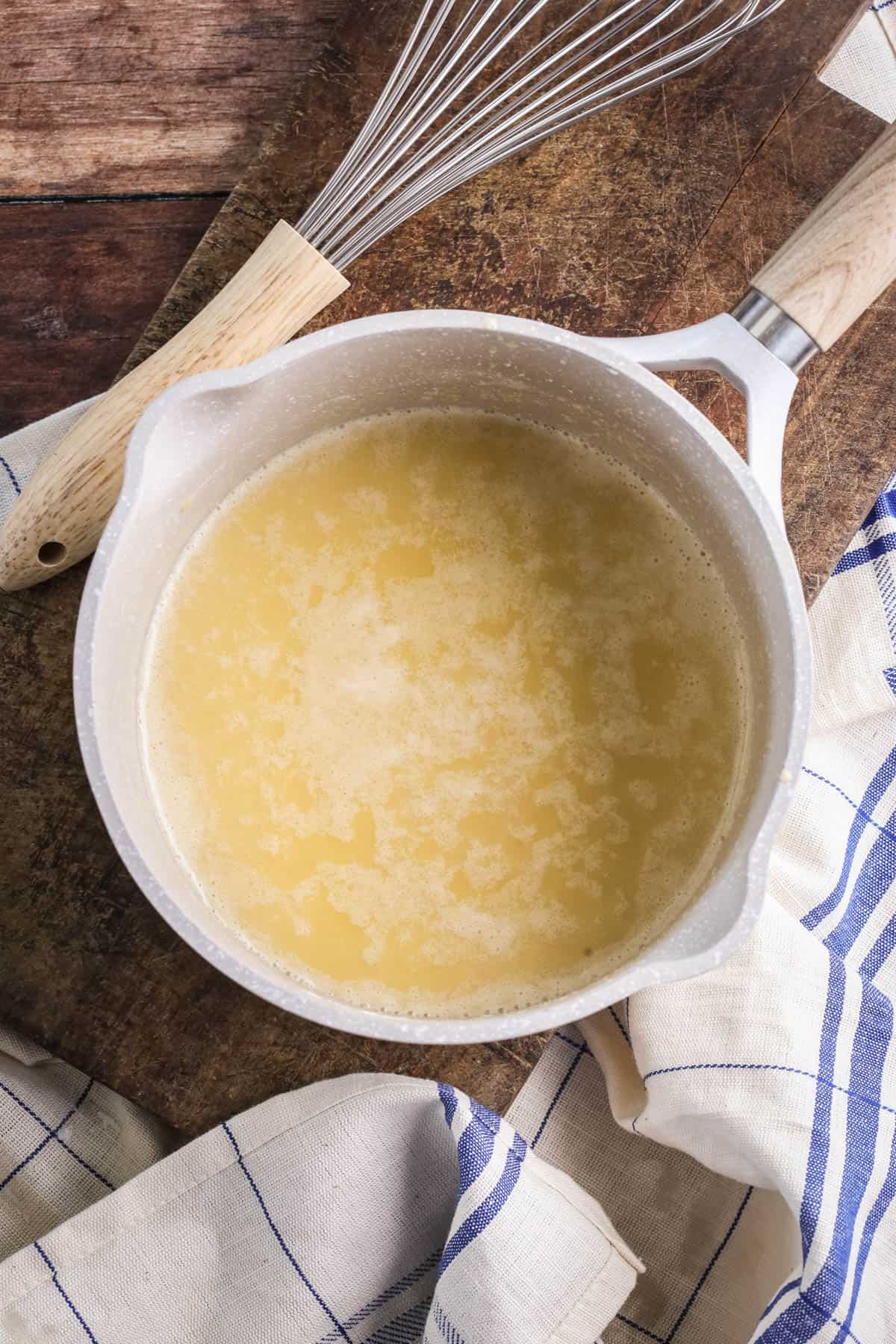
A roux is a mixture of fat and flour cooked together to create a stable thickening base to which you can add liquid to create a variety of traditional sauces. It will add a richer flavour than using the quick and easy method of a cornflour slurry often added to the end of sauces and is an essential technique to have under your belt for better gluten-free cooking.
However, this can be a tricky cooking technique for a gluten-free cook to master at first but actually it all comes down ultimately to the type of gluten-free flour you need to use. A gluten-free roux is not as simple as swapping out wheat flour for all-purpose gluten-free flour as that can create gritty sauces with an unbalanced thin texture. This is a vast difference to the kind of richly flavoured and smoothly textured results that a regular roux is known to produce.
The gluten-free flour I recommend using primarily is cassava flour which is a single origin flour. This means you can make a successful gluten-free roux not dependent on a particular brand and cassava flour is widely available in a number of countries. However, I do have a couple of alternatives if you cannot access that flour.
These specially chosen gluten-free flours will create a reliable thickening base to which you could add homemade stock, milk or cream for rich velvety smooth sauces, soups and stews.
Why You’ll Love This Gluten-Free Roux
- Only cassava flour is required so you don’t need to depend on a particular brand, which tend to be only available in certain countries or areas.
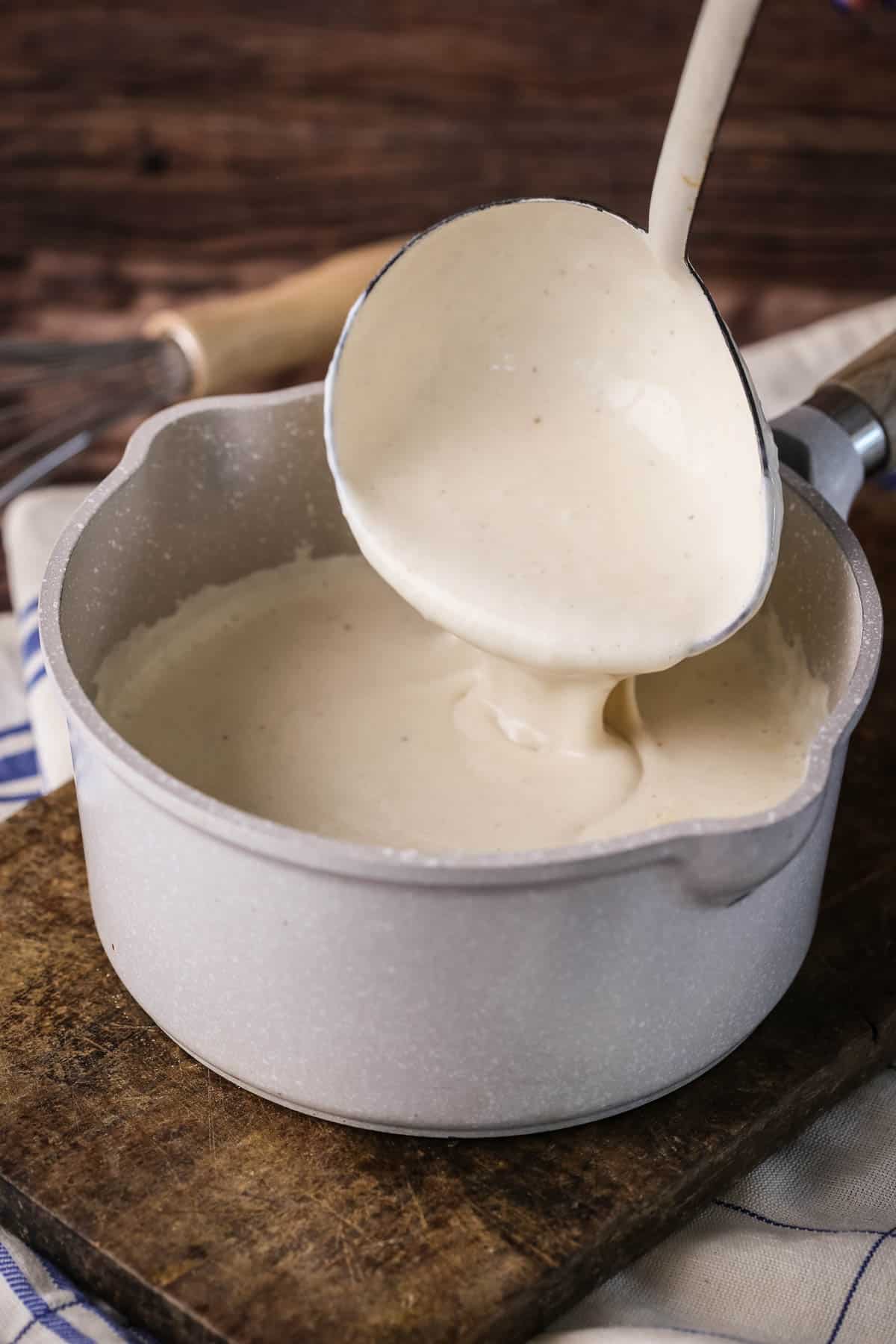
- This roux is an excellent base for luxurious gravy, creamy béchamel or a classic velouté.
- Cassava flour toasts nicely with a neutral flavour applicable for a white, blond or brown roux.
Can You Make a Roux Without Wheat Flour?
I don’t recommend swapping wheat flour for an all-purpose gluten-free flour as brands vary in their variety of flours included. You need a mix that’s heavy on starch and light on certain wholegrains. Rice flour, for instance, which is present in a lot of flour blends, can give sauces a thin and gritty texture.
It's much more advisable to choose the right single original flour so you have more control over the flavour and texture of your finished sauce.
There are three flours in my kitchen which make a good classic roux base:
1. Cassava flour. This is my number one choice and the one I will reach for first. It has a soft neutral flavour and can easily create a white sauce. You might need to toast the flour and fat a little further to create a richly coloured gravy but there are tricks in my gravy recipe to perfect that.
2. Sweet rice flour. (glutinous rice flour). This is my back-up flour (although you’ll notice I use it in a lot of my roux recipes across this website as it was my preferred choice for a while). You might find that an excess of sweet rice flour can lead to a gummier sauce and it doesn’t toast quite as well as cassava flour.
3. From The Larder Gluten-Free Flour Blend. This is made up of almost 50% starchy flours and a soft variety of wholegrain flours (sweet rice flour, tapioca flour, oat flour and sorghum flour). The key is that it has no regular rice flour so it does create a smooth sauce. It doesn’t get too gummy either as it’s a balance of flour flours.
Ingredients Needed
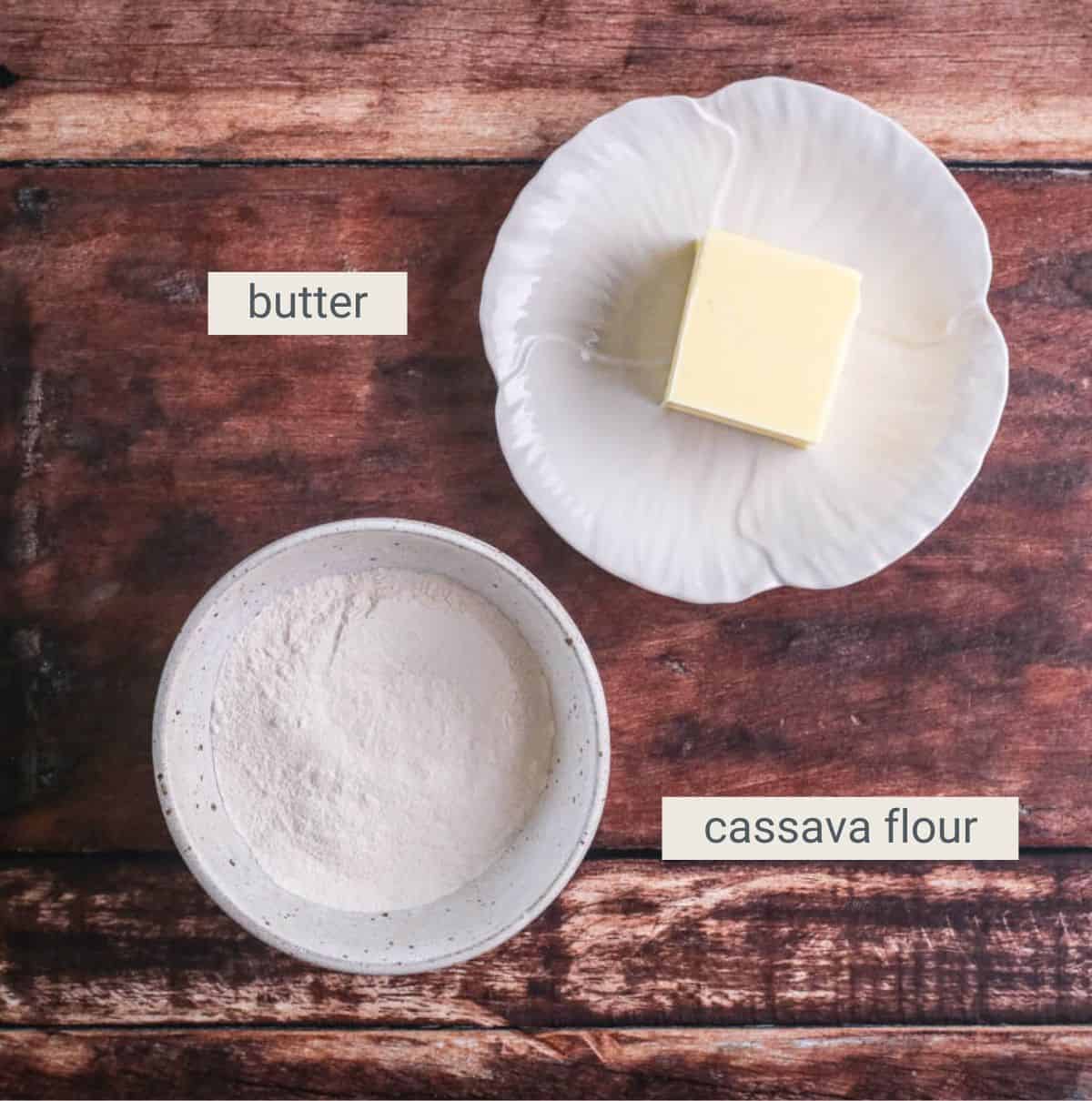
Cassava Flour. Cassava flour is a naturally grain-free and gluten-free flour which is incredibly versatile thanks to its high starch content. It’s also an excellent thickener for everyday meals and can be used as a 1:1 wheat flour substitute in this roux recipe.
Butter. This recipe assumes we are making our roux from scratch so I would usually pick butter for the richest flavour. However, if you are making a gravy then you can substitute the butter for meat dripping. Or you can switch for olive oil or a plant based butter alternative if you want to make a dairy-free or vegan roux.
How To Make a Gluten-Free Roux
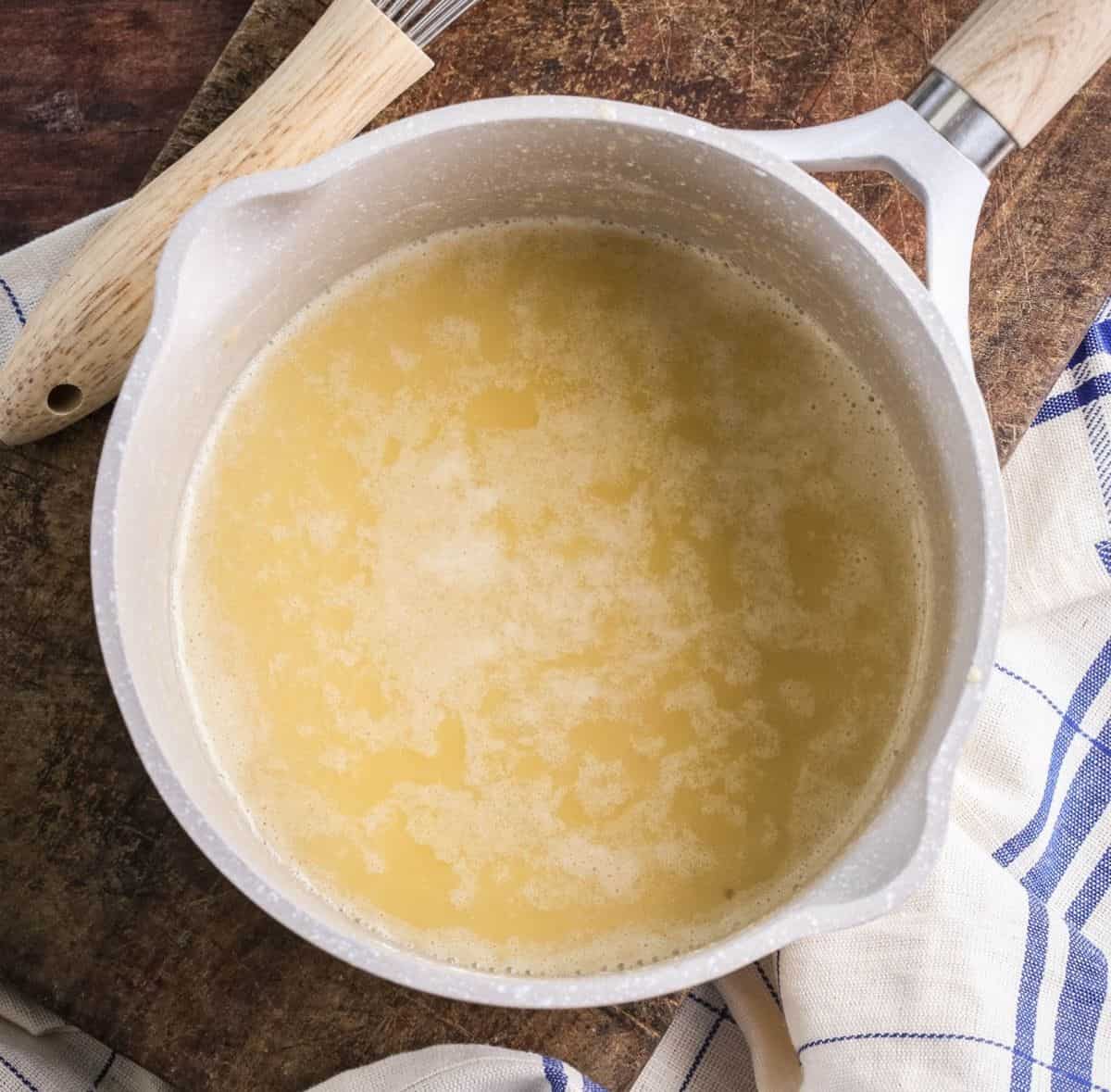
Melt the butter in a large saucepan before whisking in the cassava flour.
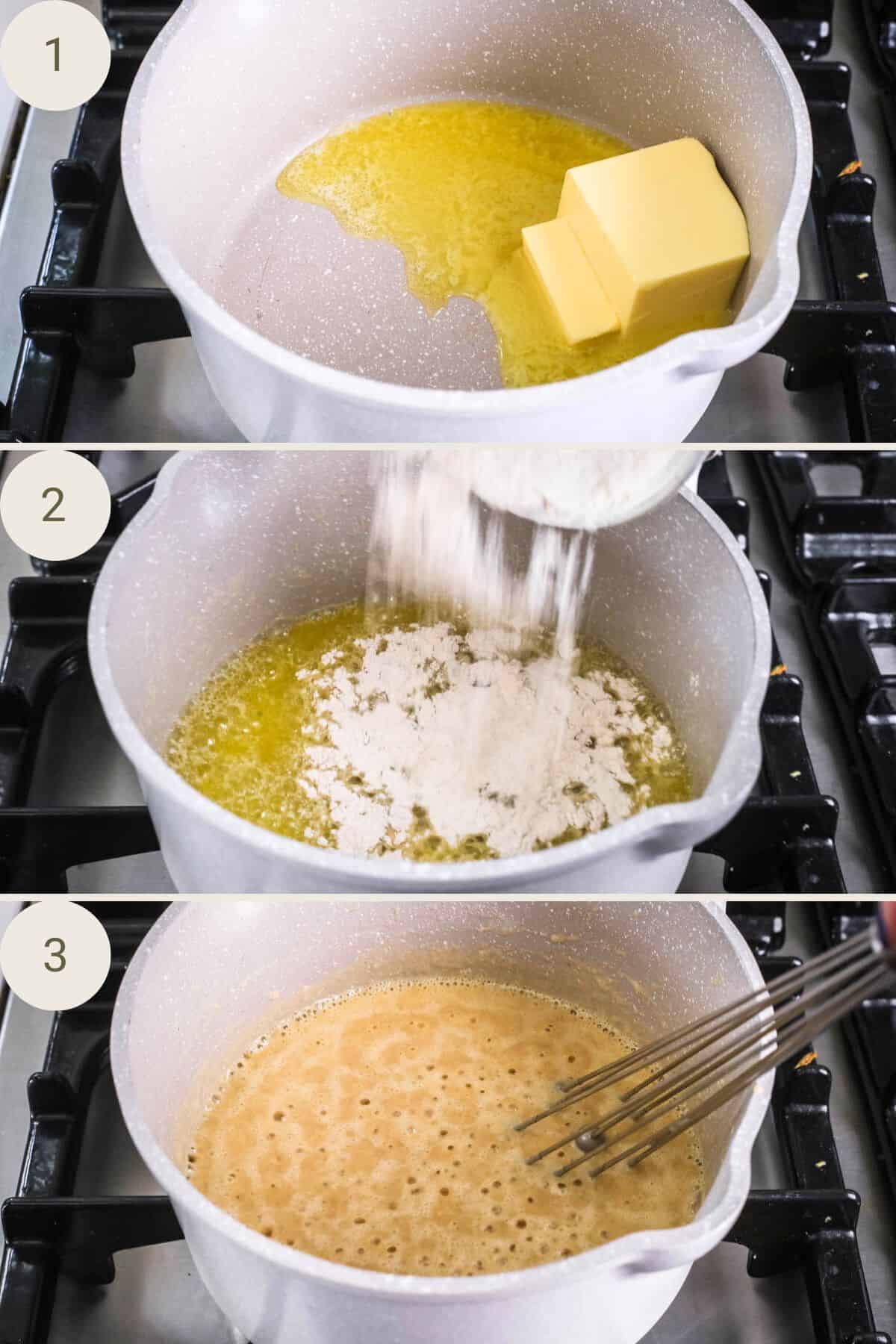
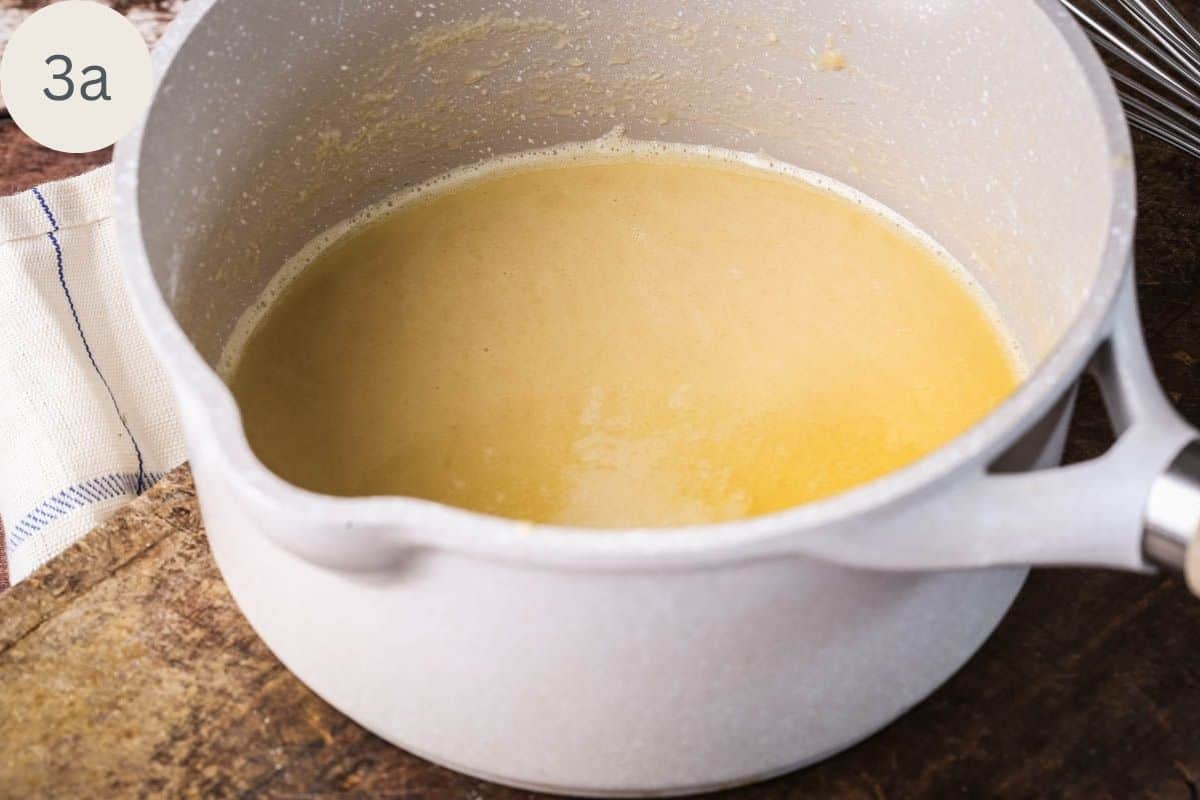
Cook for 2-3 minutes to remove the raw flour flavour.
This roux is now ready to add milk or stock to create a blond or white sauce like béchamel or a cheese sauce.
If you are making a browner sauce like gravy or a stew then you turn the heat up to medium and cook the butter and flour for 5-6 minutes which will give a darker colour and toastier flavour.
The cassava flour can catch at the bottom of the pan so keep stirring with the whisk and keep an eye so that the flour doesn’t burn.
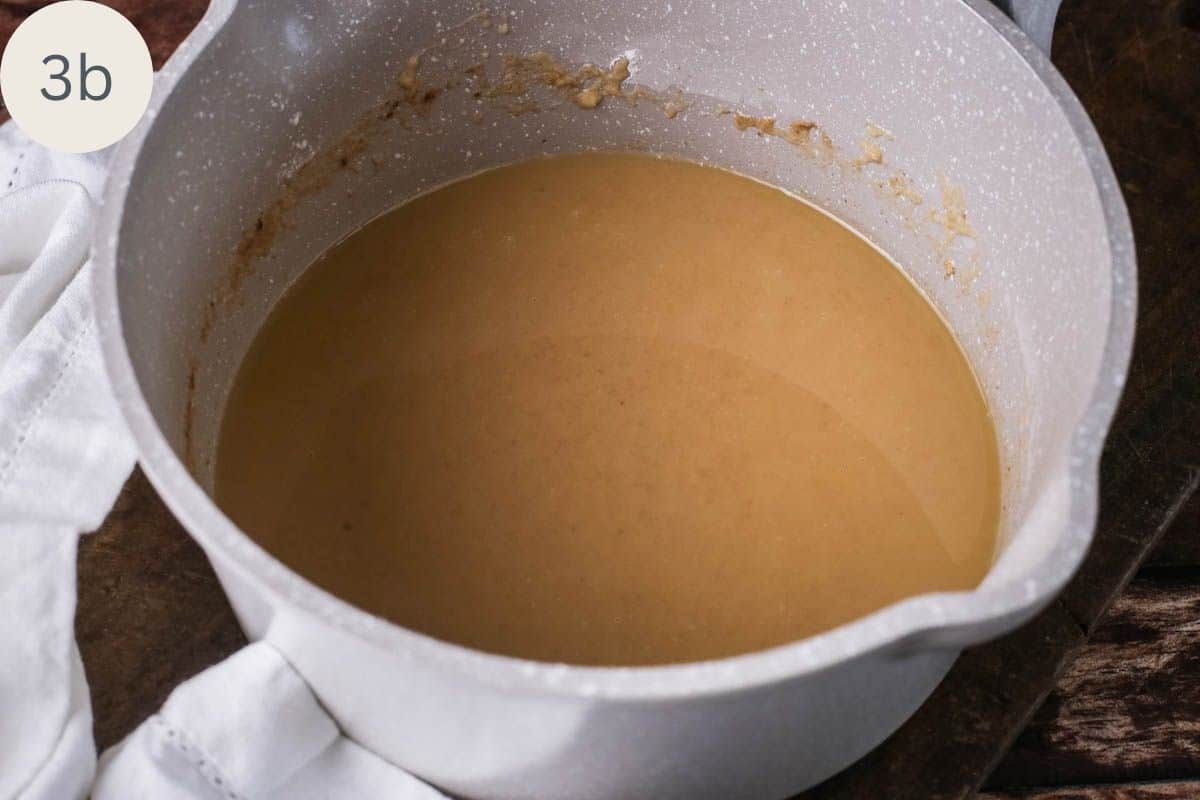
At this point you will gradually pour in your liquid (usually milk or stock) for your chosen recipe.

Gluten-Free Roux Uses
You can use your gluten-free roux to go onto make the following recipes:
Béchamel
Pour milk slowly into your roux to create a classic béchamel sauce. Use this sauce in lasagne, macaroni cheese, fish pie, gratins.
You can then adapt this béchamel sauce into the following:
- Cheese sauce
- Mustard sauce
- Parsley sauce
- Onion sauce
- Leek sauce
- Mushroom sauce
- White Wine sauce
Velouté
This, like béchamel, is one of the five French mother sauces. To make it you add a clear light stock to the roux to create a pale delicately flavoured sauce. This velouté can then be adapted into the following kinds of recipes:
- If chicken stock is added then it will become a chicken velouté which can be used in chicken pies, chicken sauces or vol-au-vents.
- If fish stock is added then it can be used for many seafood or fish recipes.
- If vegetable stock is added then you can make a delicate vegetable soup.

Gravy
The kind of thick and sturdy gravy we use to pour over our Sunday Lunches or Sausage and Mash is essentially a richer velouté. The fat used to create our initial roux can be meat dripping rather than butter, or we might add roasted meat juices, onions or other herbs or seasonings along with the stock. It’s more often that you will use a stronger flavoured stock, beef stock or poultry stock to match the meat you are accompanying the gravy with.
Stews, Casseroles, Soups
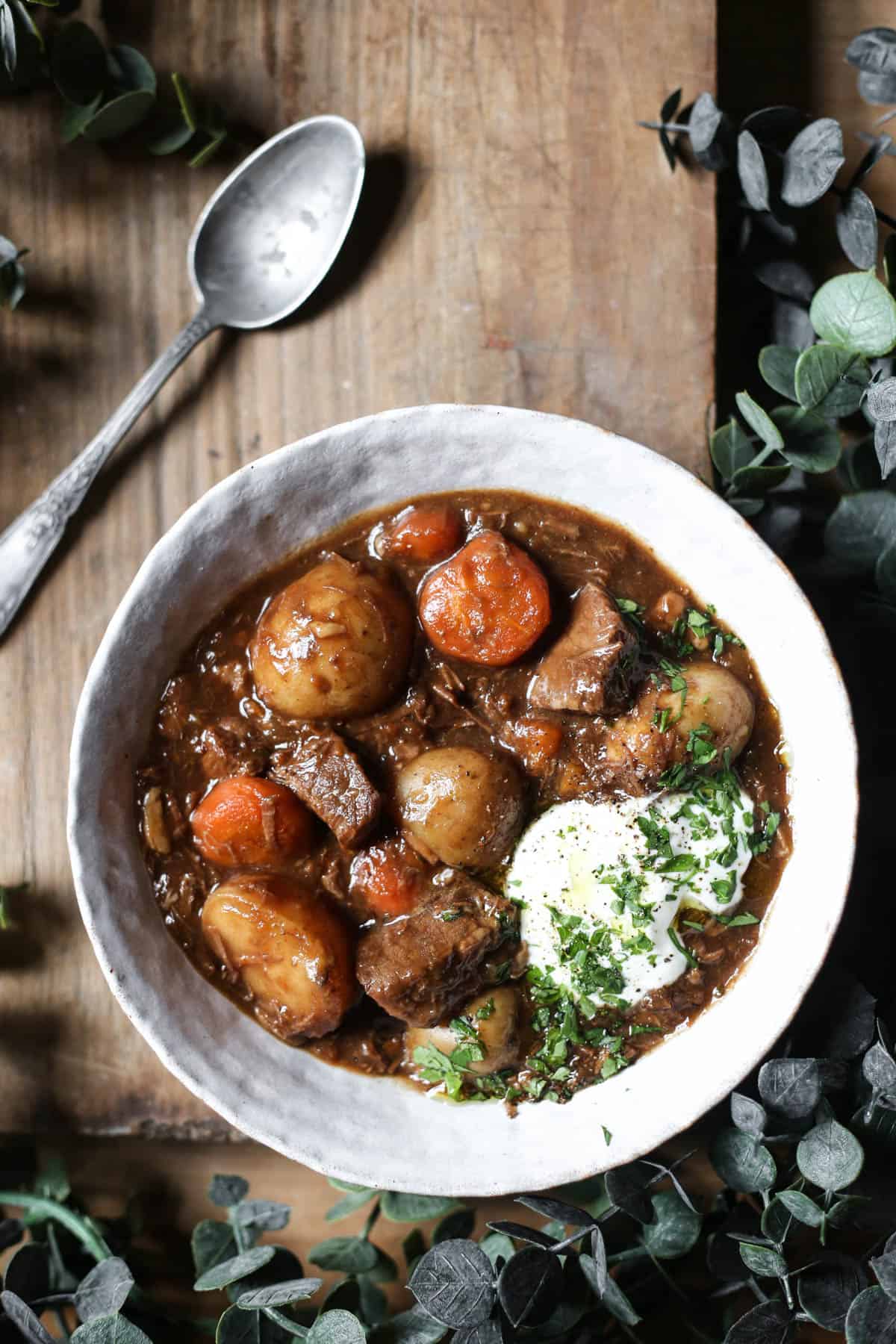
A roux can often be the first step in making your stew, casserole or soup as you begin with this thickening base.
A roux thickener can often be preferred than the cornflour slurry option (where the thickening agent, i.e. cornflour, is added at the end of the cooking process) as it will provide a richer, more stable thickener right from the start of the recipe. Using the roux stabiliser can often be very helpful in a dairy-based recipe as it will help avoid any splitting. Cassava flour can also add a deeper flavour, particularly if you toast the flour in the fat.
The cornflour version gives a glossier, lighter but sometimes more gloopy result.
How to Thicken Gluten-Free Soups or Stews
If you are making a roux base for your stew, casserole or soup then a common method is to melt the fat first before adding a sofrito (diced onion, celery, carrot) to cook gently in the fat. This adds a further flavour dimension to the base of the recipe.
Once the sofrito has been cooked to translucency then the flour can be added for thickening. After that stock or milk (if it’s a creamy soup) can be poured in, followed by the vegetables, meat or other ingredients and cooked as per the recipe. This will mean your soup or stew is thickened from the very first step.
Recipes which can use this method: Creamy Chicken Soup, Vegetable Soup, Beef Stew, Gumbo, Vegetable Gratin, Chicken and Leek Pie.
Making Ahead
You can make a gluten-free roux with cassava flour ahead of time. Once you’ve made it then allow it to cool completely and pour into an airtight container. Store in the refrigerator for up to 5 days.
Freezing. Cassava flour stores very well in the freezer so prepare the roux as above then you can store in the freezer for up to 2 months. Allow to thaw at room temperature before using.
FAQs
This is usually because there is an excess of flour to the amount of liquid used. Try using a greater ratio of liquid to flour next time.
You can use cassava flour as a straight 1:1 swap for plain flour in a roux recipe. I have given guidance below for the quantity I use in my recipes but you can follow an existing recipe you trust and just replace the plain flour for cassava flour.
It’s key to add your liquid to your roux very gradually and whisk all the time at a low-medium heat to smooth out the flour lumps. If your liquid is added too quickly then you will have lumpy results. A quick blast with the immersion blender can help fix this.
If your resulting sauce is too thick then add more liquid to thin it down. Again, a quick blast with the immersion blender can help to thin down a thick gluten-free sauce.
If you cannot access cassava flour or your dietary restrictions don’t allow it then the best alternatives are sweet rice flour or my homemade gluten-free flour blend. I don’t recommend a branded gluten-free flour blend as the results and textures can vary wildly across the brands.
Cassava flour isn’t readily available in most UK supermarkets. However, you can buy it from most bricks and mortar health food / organic shops or online sources such as Amazon or Healthy Supplies.
Enter your email below to get this recipe sent to your inbox plus get new recipes, baking tips, and updates.
Gluten-Free Roux
Ingredients
- 100 g unsalted butter
- 50 g cassava flour
Instructions
- Melt the butter on a medium heat in a large saucepan.
- Once the butter has melted, turn the heat to low and add the flour.
- Use a ball whisk to whisk the flour into the butter, making sure to scrape out the corners so no flour gathers there.
- Cook the roux for 2-3 minutes for a pale creamy roux suitable for white or blond sauces. Or turn the heat up to medium and cook for up to 5-6 minutes until the colour of the roux turns a light brown with a toasty aroma. This is more suitable if you are making a gravy or richer stew or soup.
- Gradually pour in the liquid (milk or stock) as required, whisking all the time until your sauce is smooth and thick.