Orange Ice Cream with Rosemary
This post contains affiliate links. Please read my disclosures.

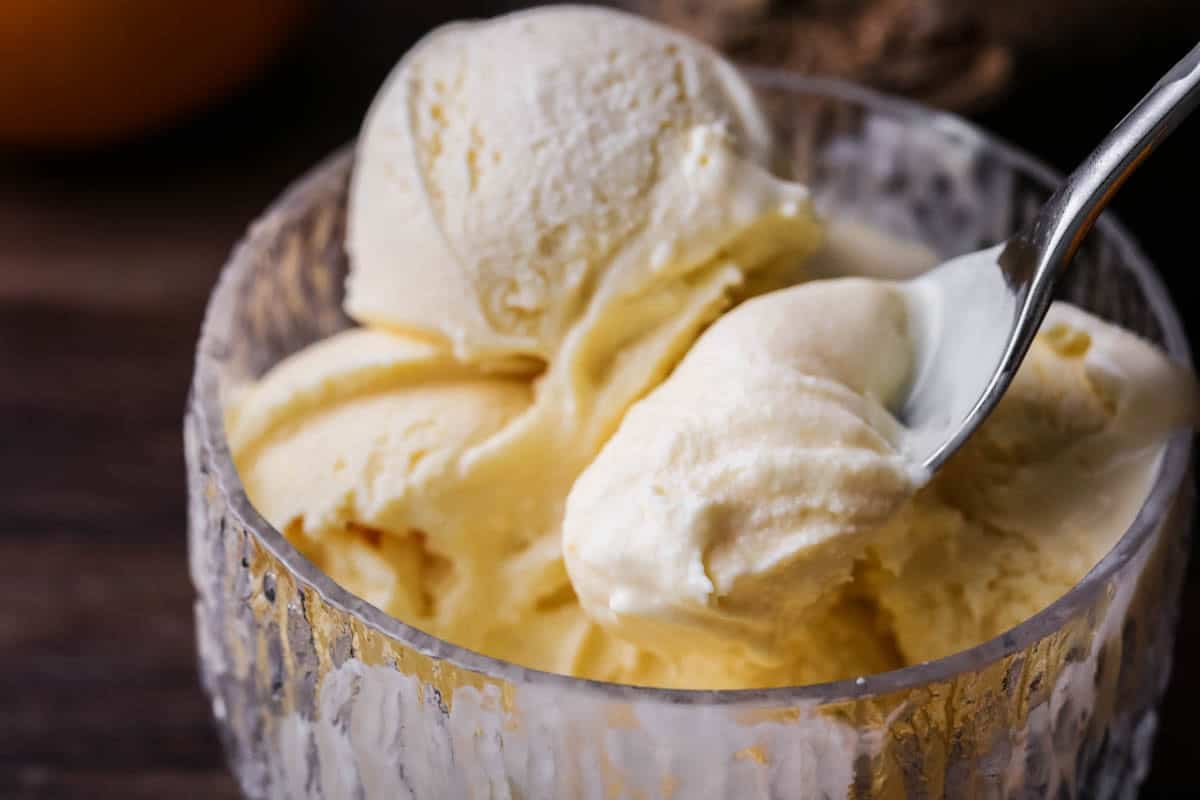
This orange ice cream is flavoured with delicious orange curd for an easy traditionally churned ice cream. Scented with a little rosemary for an earthy flavour profile.
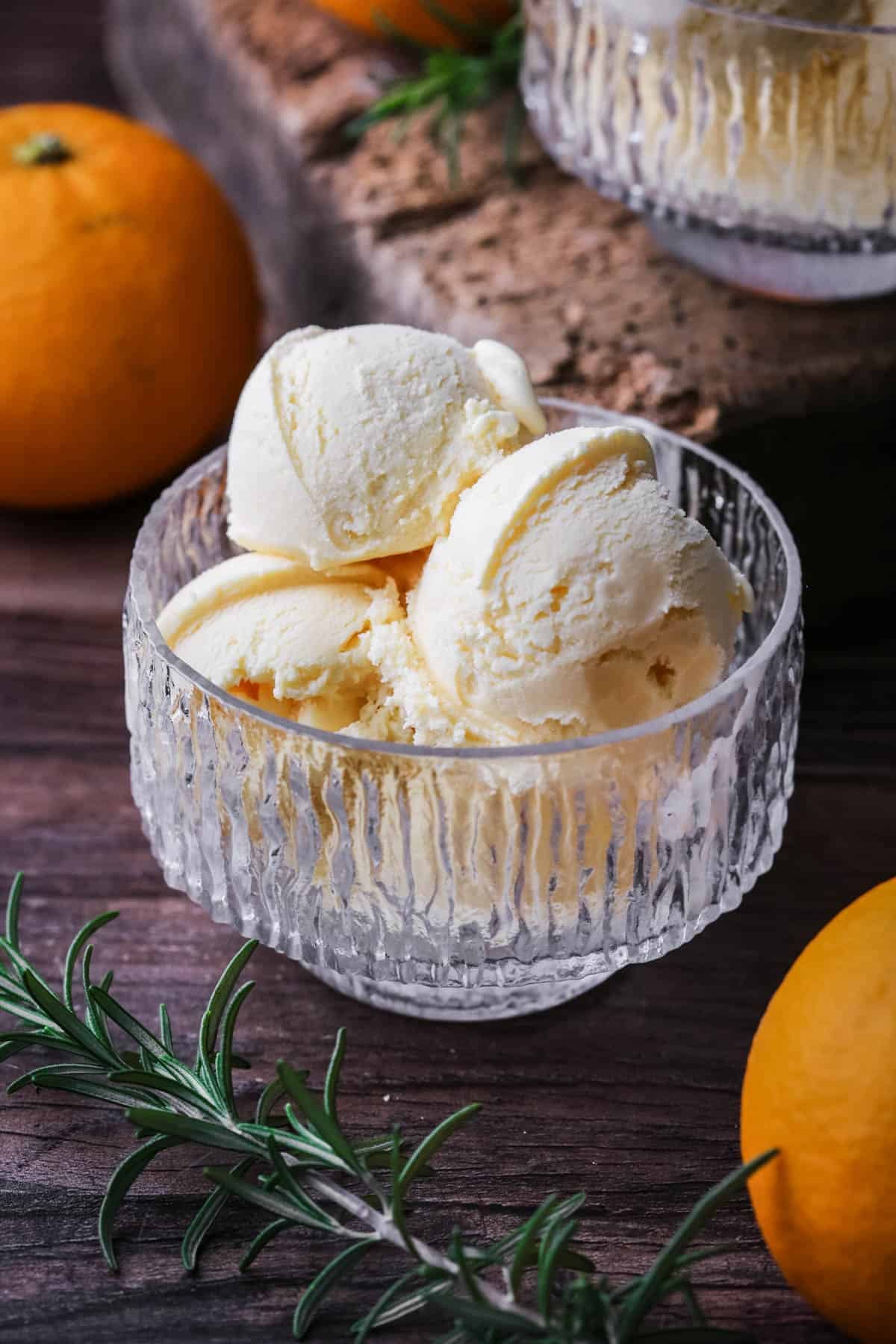
We've got an ultra smooth, creamy and zingy ice cream infused with so much bright vibrant orange citrus flavour. It's richly flavoured because we're using thick homemade orange curd and churning our ice cream the old fashioned way.
I’m a big advocate of traditionally churned ice cream. The mouthfeel compared to a no churn recipe is vastly superior.
You will need an ice cream machine for the best texture and I’ve got both a cheaper freeze-first machine and a pricier self-freezing machine and this recipe will work well with either. I recommend having a look at my Vanilla Ice Cream recipe which gives advice on how to choose which machine to plump for.
To avoid the much maligned icy texture that a lot of homemade citrus ice creams can suffer from, we use orange curd rather than orange juice for a better texture. The emulsified curd gives a much smoother churn to your finished ice cream.
This is also a deeper richer flavour than just infusing with orange zest or adding fresh orange juice which concentrates the flavour. The sweetness of the citrus is then complimented by the infusion of earthy rosemary.
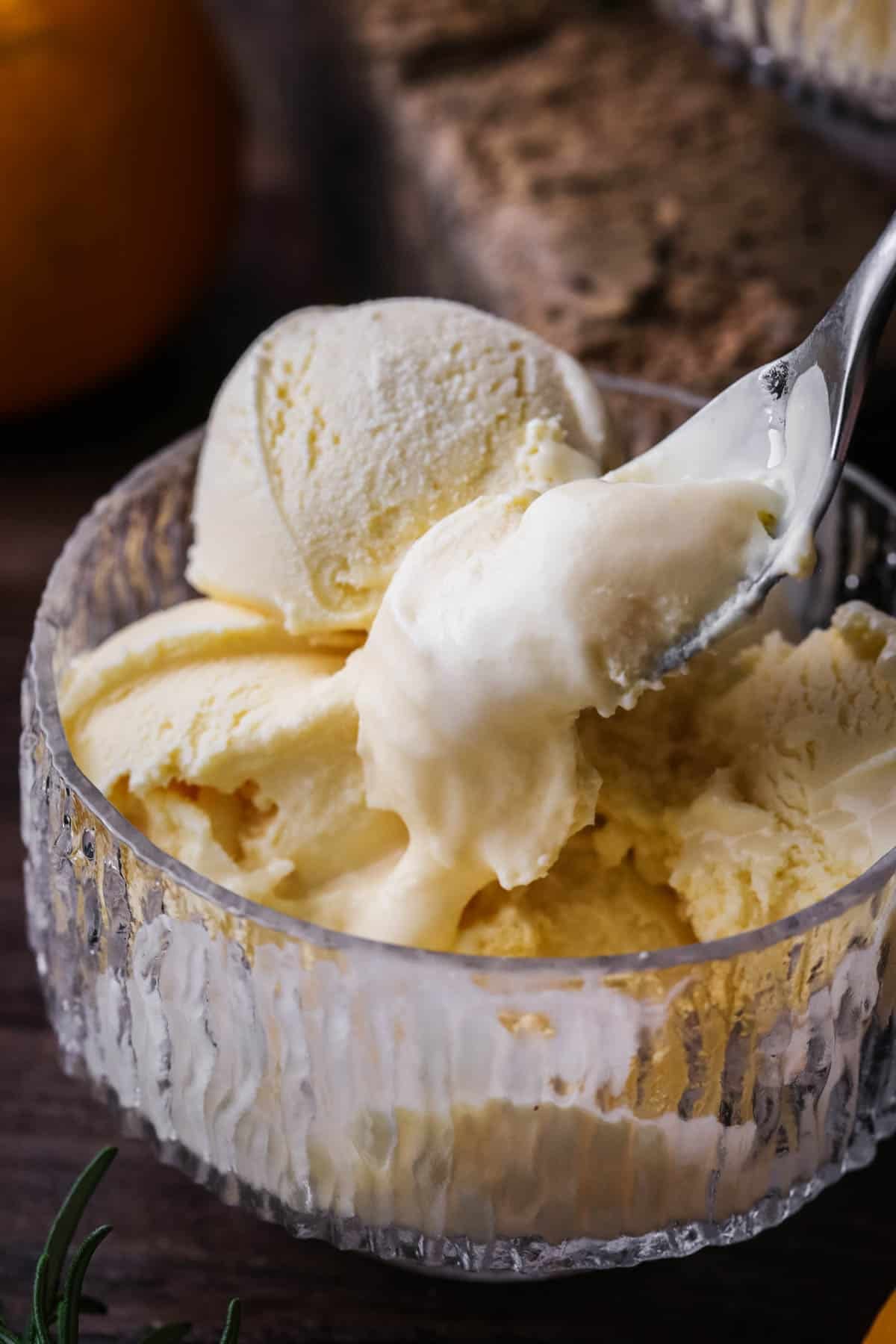
Why You’ll Love Traditional Orange Ice Cream
- Made with real orange curd for ultimate deep citrus flavour.
- Rosemary adds a subtle herbal note to balance the sweetness.
- Traditionally churned for a smooth creamy finish.
- No iciness and no fatty mouthfeel.
Ingredients Needed
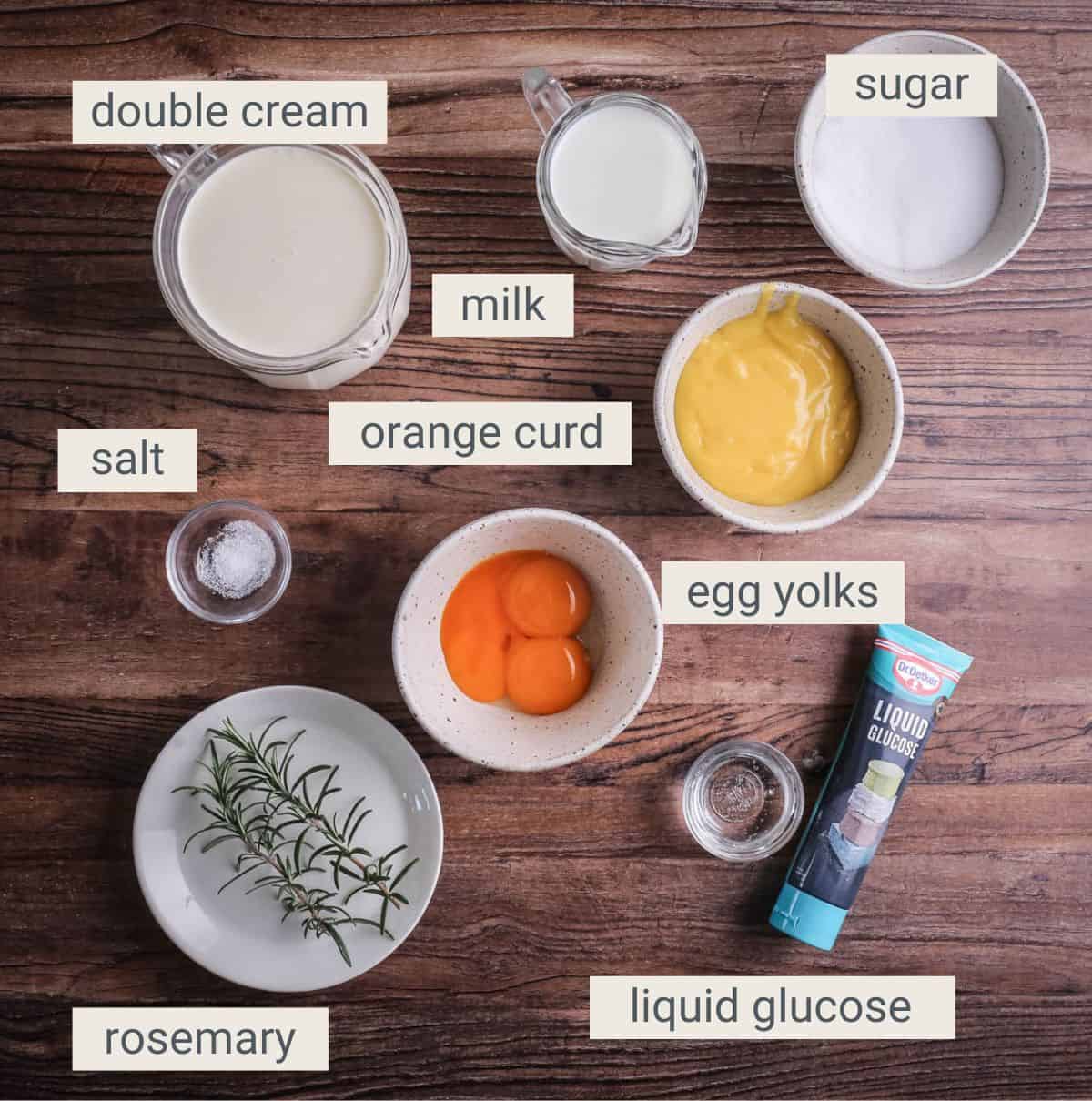
Double cream. You can substitute for heavy cream. Using a combination of double cream and whole milk is the perfect balance for mouthfeel and richness. Don’t substitute for single cream. You could use just whipping cream instead of both the double cream and whole milk but I can’t always find it in the supermarkets. Double cream is much more reliable.
Whole milk. This is a dairy ice cream and I will post a separate recipe for a dairy-free ice cream at some point. But for this recipe I can’t recommend a plant-based substitute. And make sure to use whole milk, not semi-skimmed or skimmed – it will affect the finished texture of the ice cream.
Fresh rosemary. This gives a pronounced rosemary flavour. If you want to lessen the herb effect then remove the rosemary before it rests for its chilling time. You can omit the rosemary if you like. Don’t substitute for dried rosemary as the flavour is completely different and won’t taste as nice.
Liquid glucose. I don’t expect you will necessarily have this ingredient in your larder but it’s actually an easy ingredient to buy and is available at most large British supermarkets. We use liquid glucose as well as sugar as it helps to add a little ‘chew’ to our ice cream, it helps reduce the formation of large ice crystals and also gives the ice cream a little more softness. You can omit or you can swap for corn syrup if you can’t get hold of it.
Salt. You only need a small pinch and I used kosher salt (like I do for most of my baking recipes). It helps to keep the flavours all balanced.
Caster sugar. This is a fine white baking sugar available in the UK. If you want to use granulated sugar then I would just recommend giving it a quick whizz in the food processor to grind those sugar crystals a bit further. I don’t recommend reducing the amount or swapping for a non-refined sweetener as the caster sugar helps prevent the formation of ice crystals which sweetener does not.
Egg yolks. Better egg yolks (by that I mean free-range or if you have access to great eggs from your farmer’s market or home chickens then even better!) will produce a more richly flavoured ice cream. You need about 3 egg yolks of medium eggs. This weighs up in total between 45-50g egg yolks.
Orange curd. I made this ice cream to show off my homemade orange curd which has the best citrus flavour. I’ve tried to make it absolutely foolproof if you’ve never made a curd before so do read all the tips and tricks. You’ll need to make the orange curd the day before you want to use it as it needs time to set. However, if that’s one step too many then of course you can use shop bought. You can buy orange/clementine curd from suppliers such as Daylesford Farm and Selfridges. It tends to be available from more specialist suppliers than mainstream supermarket shelves.
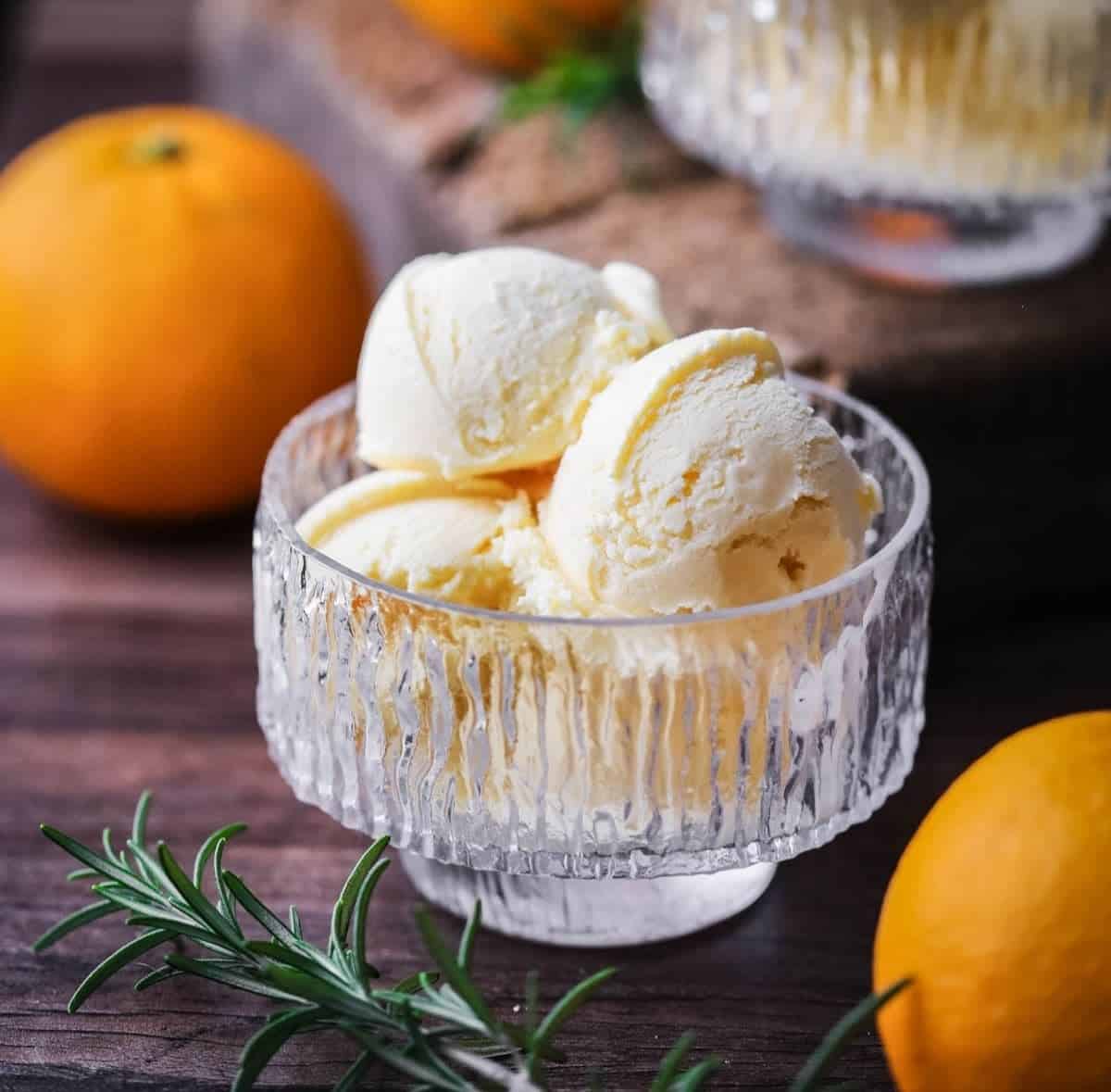
How To Make Orange Ice Cream with Rosemary
For full recipe instructions go to the recipe card at the end of this post.
Prepare the ice cream machine. If you are using a freeze-first machine you need to put the bowl in the freezer for 24 hours before you start churning the ice cream.
Just before you start to make your ice cream prepare your ice bath for the initial chill. Half fill a large pot with ice and top with cold water to just about cover the ice.
Whisk the sugar and egg yolk together in a large bowl until thick and creamy.
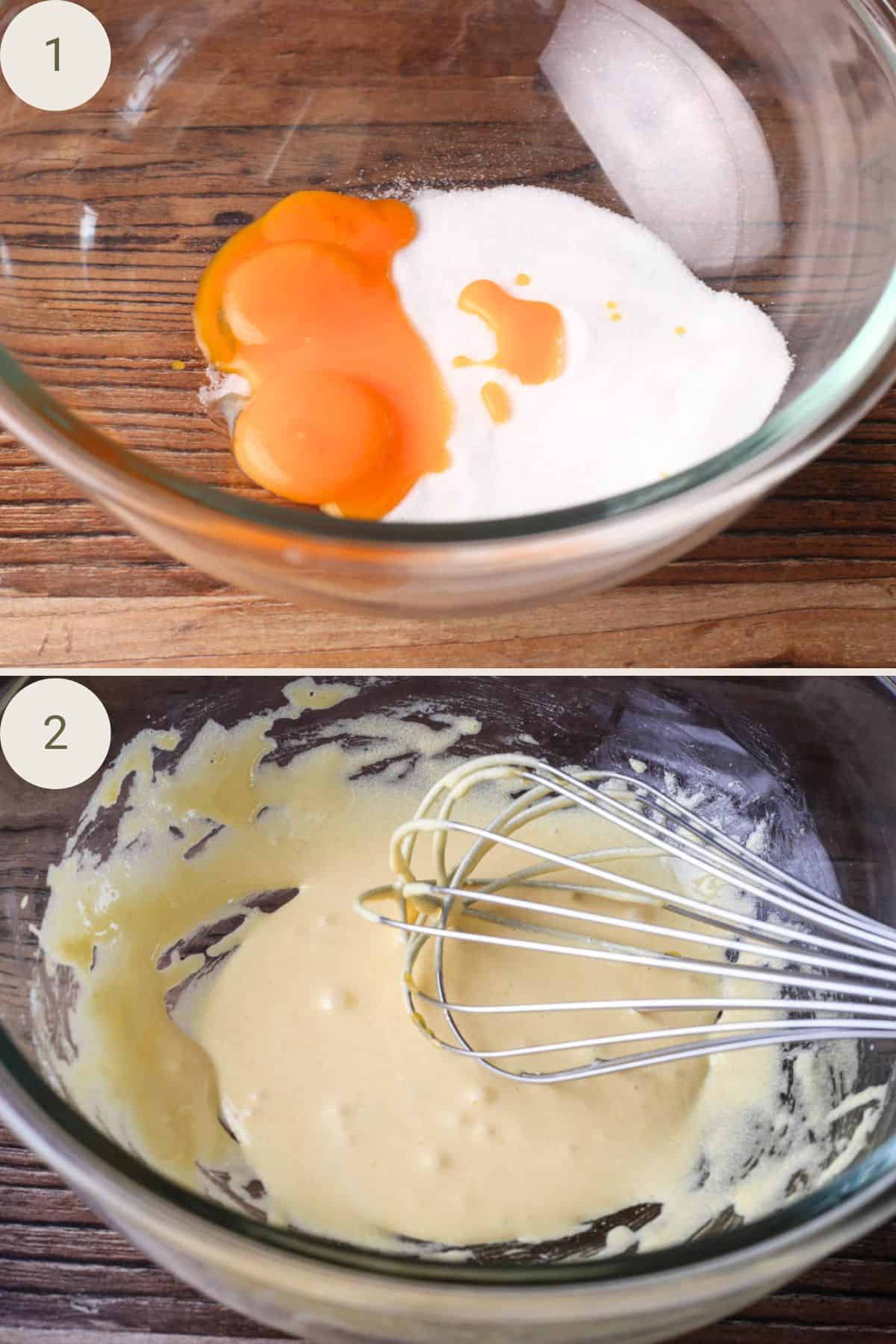
Pour the cream, milk, liquid glucose, rosemary and salt in a large saucepan. Warm the ingredients at a medium heat until it reaches 60-65°C (140-149°F). Remove from the heat.
Temper the egg yolk mixture by pouring the warm cream slowly into the eggs, whisking all the time to produce a thin custard.
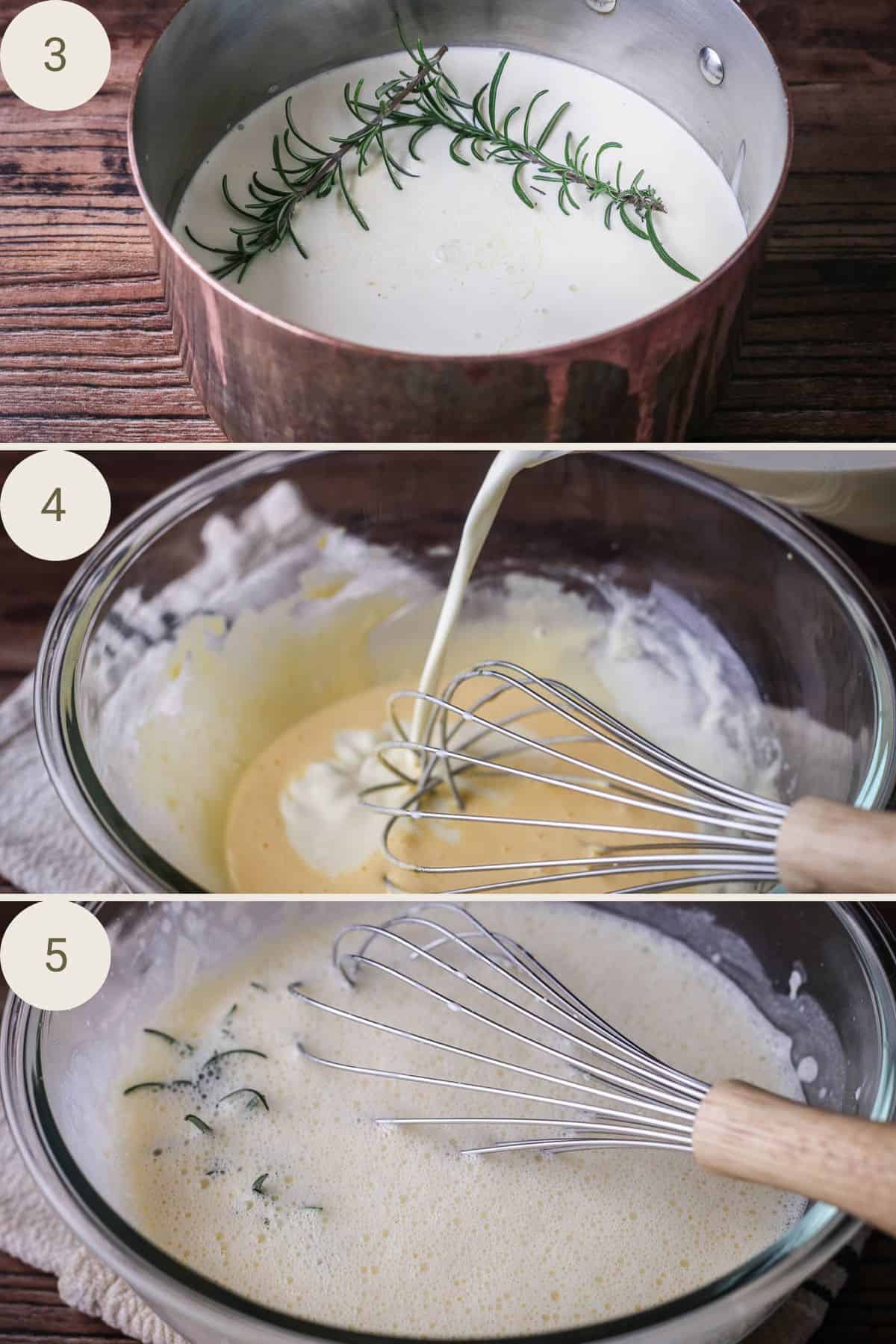
Pour the custard back into the original saucepan and heat to 80°C (176°F), stirring all the time. Turn the heat down to the lowest setting and keep at this temperature for 2-4 minutes if you can so you can ensure it’s at a stable temperature. If it starts to increase in temperature remove from the heat.
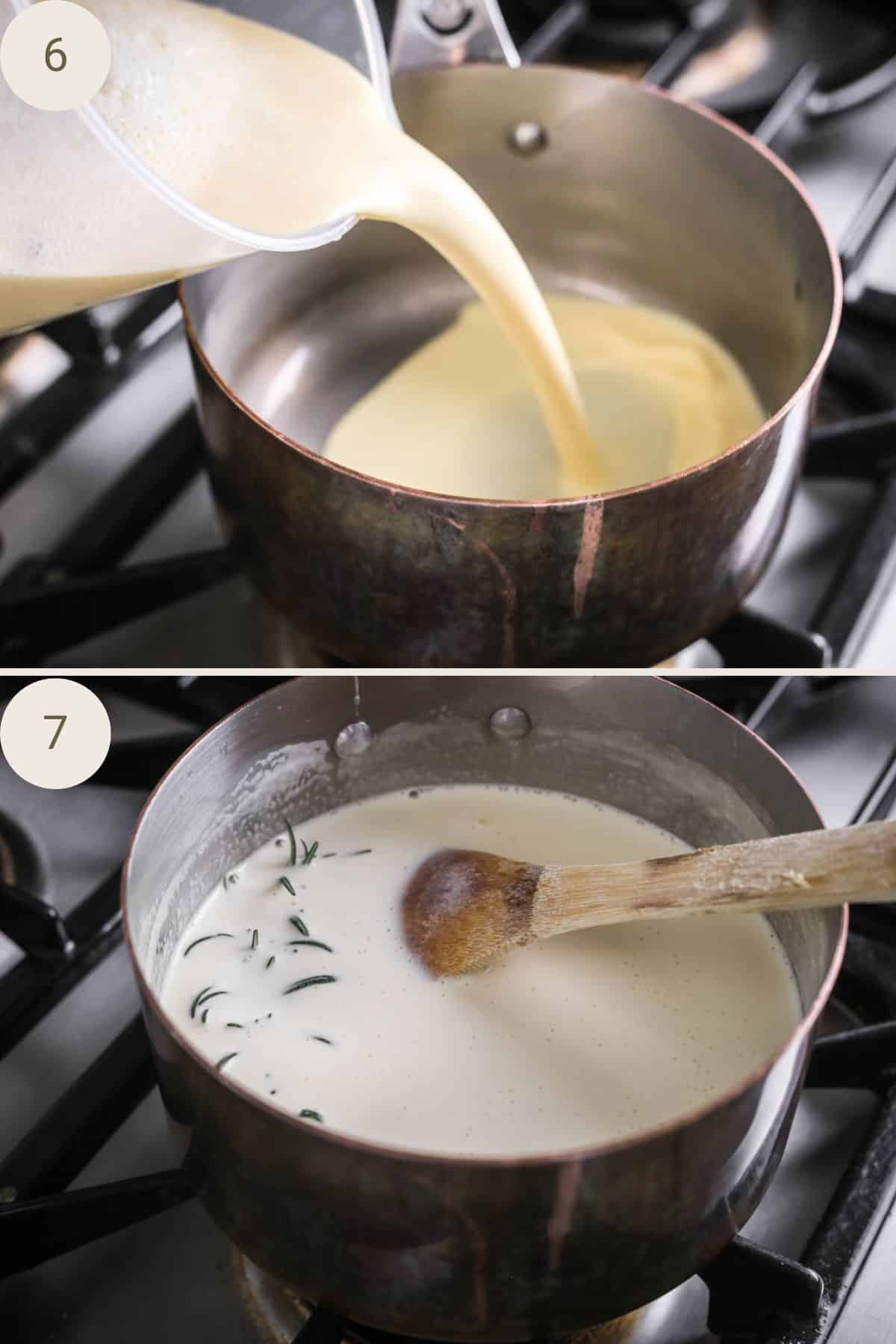
Remove the custard from the heat. You need to cool it as quickly as possible. You can achieve this by transferring the custard to a food storage bag.
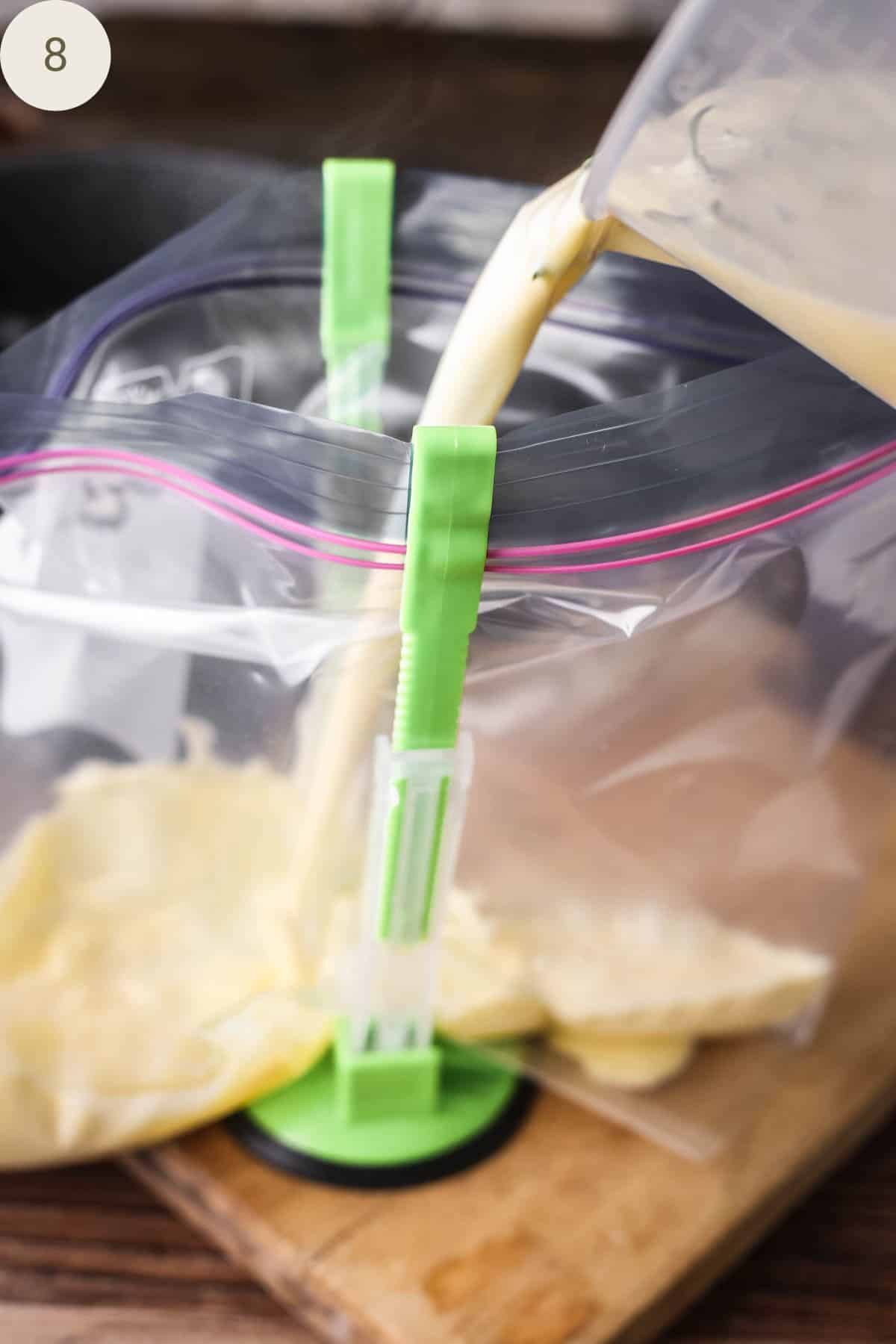
Submerge the bag in your prepared ice water bath. The temperature needs to reduce to 4°C (39°F) within 90 minutes to avoid bacteria forming. It should only take about an hour to get to that temperature so keep checking it with a digital thermometer and replenish the ice every so often to keep it as cold as possible.
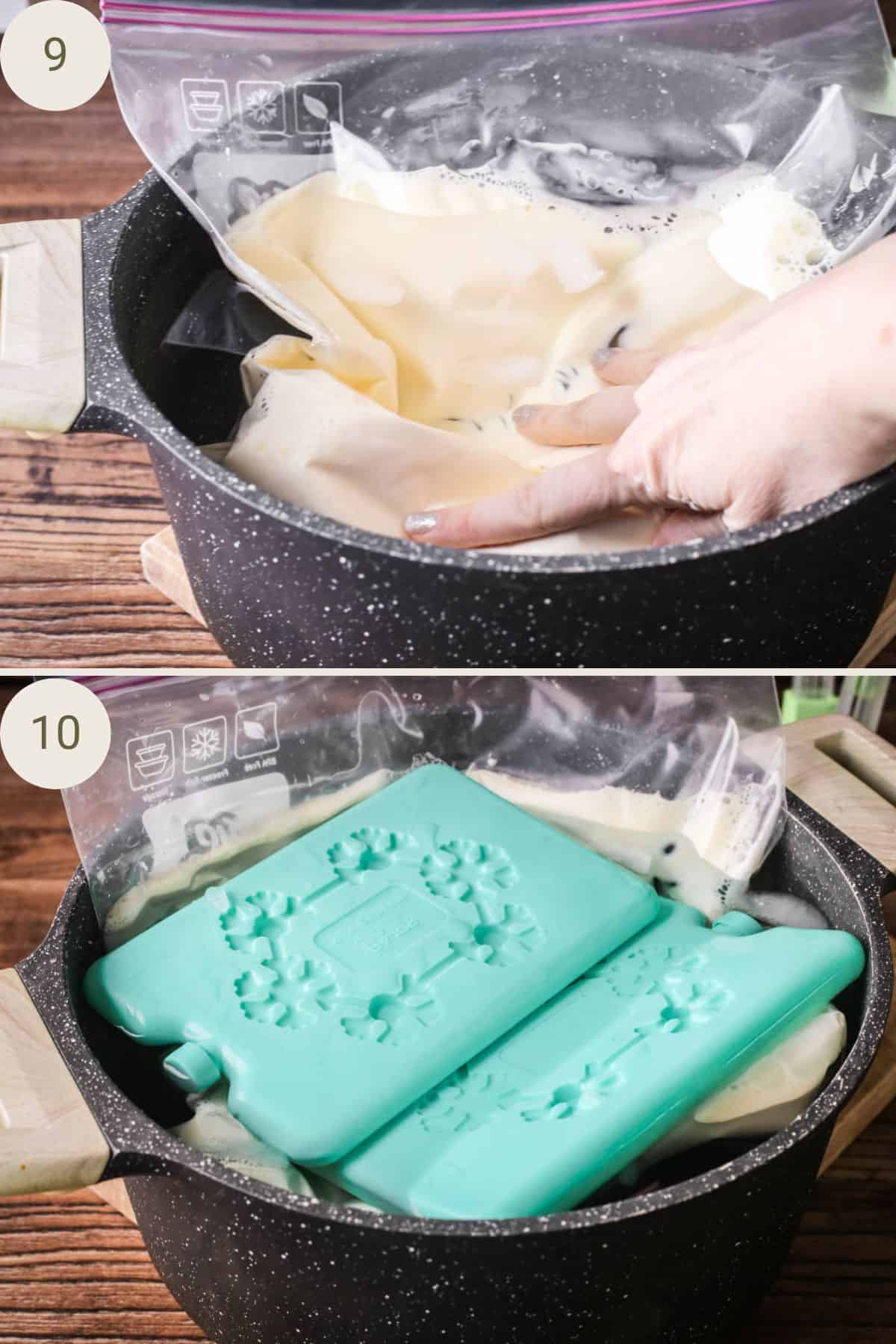
Transfer the chilled custard to the fridge to rest for at least 4 hours but preferably overnight. You can leave in the ziplock bag or transfer to a jug and place cling film on the surface (this will make it easier to pour into your ice cream machine later).
After its resting period POUR IN THE CURD and churn the custard in your ice cream machine according to the manufacturer’s instructions. If you are using the Cusinart ICE then it will take about 40 minutes.
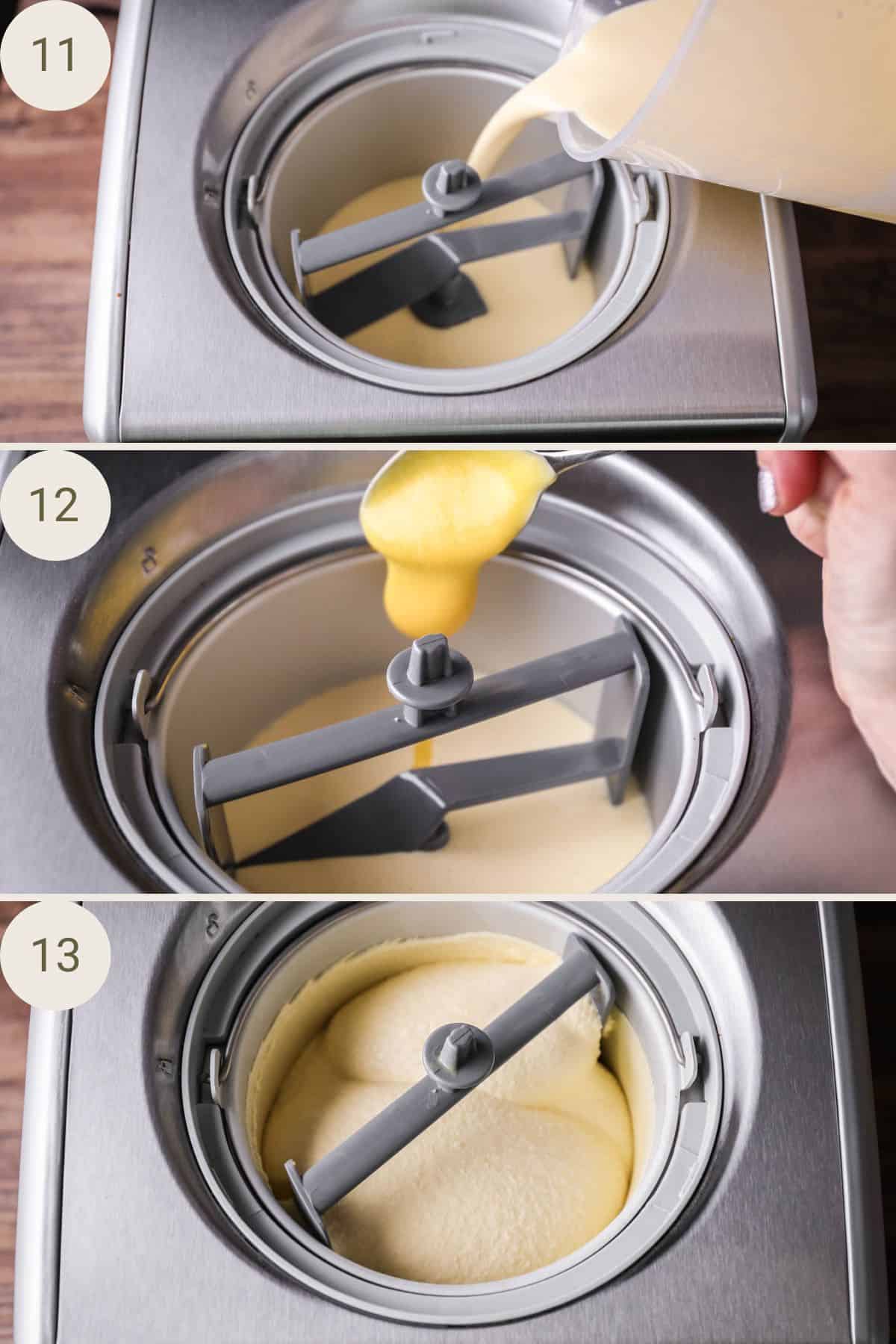
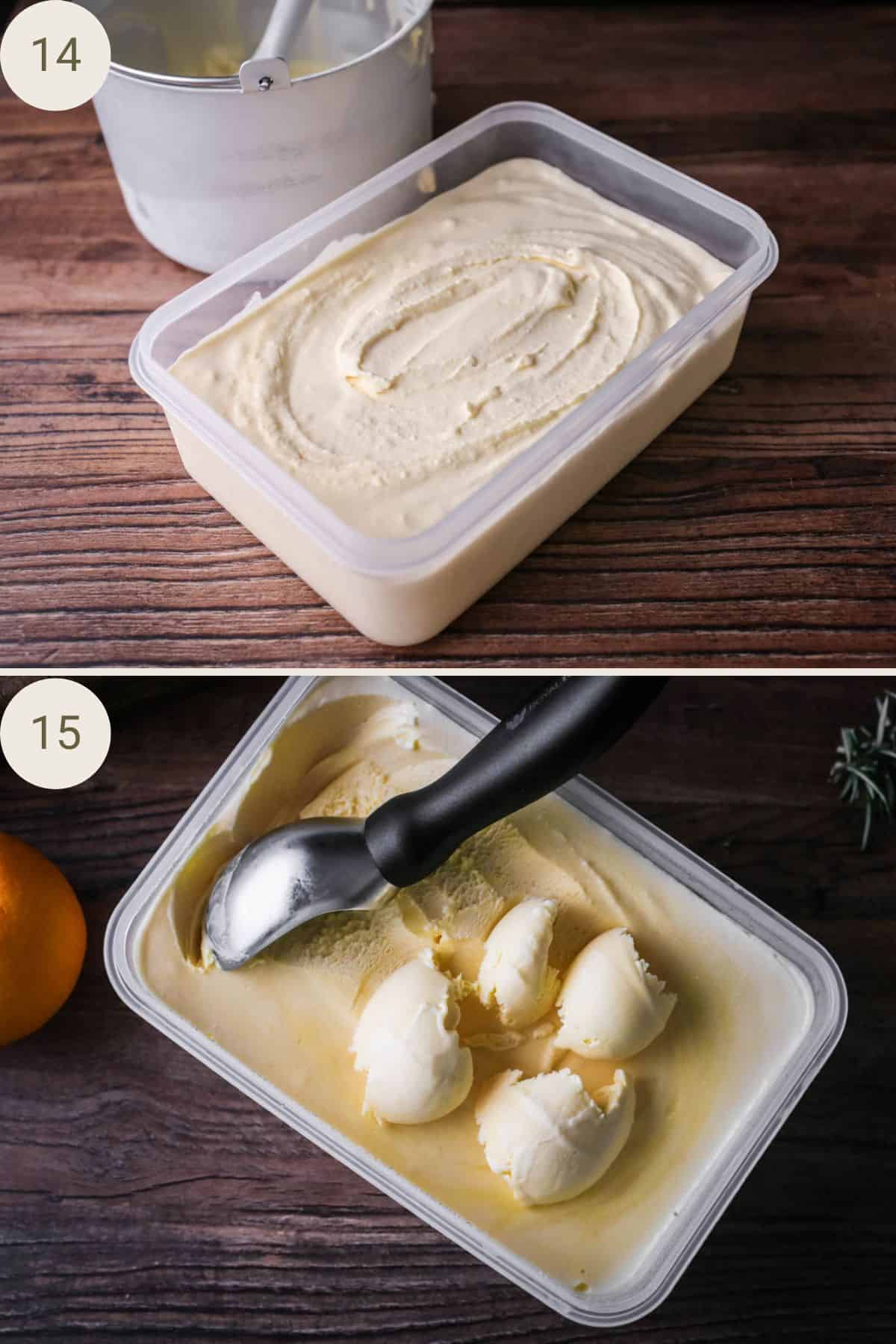
The ice cream will be the consistency of soft serve immediately after churning but store in the freezer for at least 3-4 hours to achieve a good scoopable consistency.
Tips & Troubleshooting
If you want even more citrus flavour you could also add the zest of an orange to the milk / cream mixture along with the rosemary. Avoid orange juice as this can curdle.
You don’t want the cream/milk to boil when you heat them initially. Watch the saucepan carefully so that you remove the cream/milk from the heat just as it starts to shimmer with bubbles forming under the surface. If you have a digital thermometre you want the temperature to be between 60-65°C (140-149°F). Remove off the heat immediately when you think it's ready, it can boil over very quickly.
Transfer the cream/milk to a large 2 litre measuring jug for when you add it to the eggs and sugar as this will give you the best control when pouring it in so it can stream in slowly and consistently.
Infusing rosemary in the milk too long can make it taste a little medicinal so you can remove the rosemary stalks before it’s overnight chilling time.
Chill your airtight container before pouring your churned ice cream into it so it doesn’t immediately start melting.
The best way to avoid freezer burn with your homemade ice cream is to press a piece of baking parchment (or cling film) to the surface of your ice cream in the freezer, this will keep it extra well protected.
Your ice cream will need to harden in the freezer about 4 hours before it’s ready to serve otherwise it’s too melty.
After 24 hours your ice cream will have hardened significantly more and then make sure you remove it from the freezer 10 minutes before serving. This will soften it and make it easier to scoop.
Equipment: I recommend having a look at my Vanilla Ice Cream recipe which gives advice on how to choose which ice cream machine may be best for you. Plus advice on whether you need a digital thermometer and other equipment.
FAQs
For the best creamy delicious texture and mouthfeel you will need to use an ice cream machine for this recipe.
Homemade orange ice cream often uses fresh orange juice for flavour. The water content of the orange juice unbalances the fat content so it makes the ice cream icy after churning. Using Orange Curd gives a better flavour and smoother finish.
Using orange curd which is already emulsified means you don’t have a risk of curdling as you are not adding citrus to hot dairy. The orange curd is added during the churning process of the ice cream for ultra creamy foolproof results.
Ice cream doesn’t last indefinitely. It has the best texture during the first month in the freezer before larger ice crystals will begin forming so the texture won’t be as smooth.
Serving Suggestions
Try making your own Homemade Ice Cream Cones as they have a lovely biscuit flavour rather than the tasteless selection from supermarkets.
If you are making this ice cream to serve to guests then you could accompany with Homebaked Almond Tuile or Gluten-Free Shortbread.
Delicious paired with warm Fudgy Brownies for an amazing dessert.
Try this Orange Ice Cream with a drizzle of grassy extra virgin olive oil drizzled over with a pinch of sea salt.
Pour a generous slug of Hot Chocolate Fudge Sauce over. You won't regret this one.
Recipe Variations
Orange Chocolate Ice Cream. Sprinkle in some very finely chopped dark chocolate during the churn for an even more indulgent dessert.
Lemon Curd Ice Cream. Swap the orange curd for lemon curd for a totally different flavour profile.
More Homemade Ice Cream Recipes You’ll Love
Nothing compares to Homemade Vanilla Ice Cream made the traditional French method using an egg custard base. It produces a perfectly balanced rich and creamy ice cream which has a huge depth of flavour.
This tangy Homemade Ricotta Ice Cream is light and zesty with fresh orange and ribboned throughout with dark chocolate shards.
Blackberry Ripple Ice Cream is amazingly light and creamy made from a base of Italian meringue and whipped double cream shot through with a burst of fruity blackberry.
Enter your email below to get this recipe sent to your inbox plus get new recipes, baking tips, and updates.
Orange Ice Cream with Rosemary
Ingredients
- 550 g double cream
- 180 g whole milk
- 1 rosemary stalk
- 2 tablespoons liquid glucose - glucose syrup
- ⅛ teaspoon salt
- 80 g caster sugar
- 3 egg yolks - about 45-50g
- 160 g orange curd - homemade orange curd
Instructions
- If you are using an ice cream maker which requires you to pre-freeze the bowl then place in the freezer 24 hours prior to making your custard. The bowl will need at least 24 hours to properly chill.
- If you are using an ice cream maker which doesn’t require you to pre-freeze the bowl then position it on a flat work surface ready for churning. These kinds of ice cream makers require 24 hours in the correct position so they churn effectively.
- First prepare your ice bath which you’ll need for cooling your custard prior to refrigeration. You will need a large deep casserole dish / crockpot (you could use the sink but I find the casserole dish easier to keep cold as it’s smaller). Fill halfway up with ice then top up with a little cold water.
- Whisk the sugar and egg yolk together in a large bowl until thick and creamy then set aside whilst you warm the cream and milk.
- In a large saucepan pour the cream, milk, liquid glucose, rosemary stalks and salt. Warm the ingredients at a medium heat until it reaches 60-65°C (140-149°F). Remove from the heat.
- Temper the egg yolk mixture by pouring the warm cream slowly into the eggs, whisking all the time to produce a thin custard.
- Pour the custard back into the original saucepan and heat to 80°C (176°F), stirring all the time. Turn the heat down to the lowest setting and keep at this temperature for 2-4 minutes if you can so you can ensure it’s at a stable temperature. If it starts to increase in temperature remove from the heat.
- Remove the custard from the heat. You need to cool it as quickly as possible. You can achieve this by transferring the custard to a food storage bag that you will submerge in your prepared ice water bath. The temperature needs to reduce to 4°C (39°F) within 90 minutes to avoid bacteria forming. It should only take about an hour to get to that temperature so keep checking it with a digital thermometer and replenish the ice every so often to keep it as cold as possible.
- Transfer the chilled custard to the fridge to rest for at least 4 hours (at this point I recommend removing the rosemary) but preferably overnight. You can leave in the ziplock bag or transfer to a jug and place cling film on the surface (this will make it easier to pour into your ice cream machine later).
- After its resting period POUR IN THE CURD and churn the custard in your ice cream machine according to the manufacturer’s instructions. If you are using the Cusinart Ice Cream & Gelato Professional ICE100BCU then set the timer to 40 minutes. The ice cream is ready when it has thickened considerably and looks like ice cream. It will be the consistency of soft serve immediately after churning but store in the freezer for at least 4 hours to achieve a good scoopable consistency.
- Ice cream can be stored in a home freezer for up to 1 month. After about 24 hours in the freezer the ice cream will be quite hard so allow to rest for 10-15 minutes at room temperature before scooping and serving.
Notes
- Freeze-first. Those which have a bowl which requires pre-freezing for 24 hours prior to churning your ice cream.
- Self-freezing. Those which you can just plug and play. You can just pour your pre-chilled custard into its inner bowl and it freezes as it churns. This recipe was tested using a Cusinart Ice Cream & Gelato Professional ICE100BCU.
- This recipe has not been tested using plant-based ingredients.
- I do recommend using a digital thermometer to ensure your custard is at the correct temperatures throughout this process. This will ensure no harmful bacteria is formed and your custard reaches stable temperatures which will benefit the end result.
- Transfer the cream/milk to a large 2 litre measuring jug for when you add it to the eggs and sugar as this will give you the best control when pouring it in so it can stream in slowly and consistently.Chill your airtight container before pouring your churned ice cream into it so it doesn’t immediately start melting.